

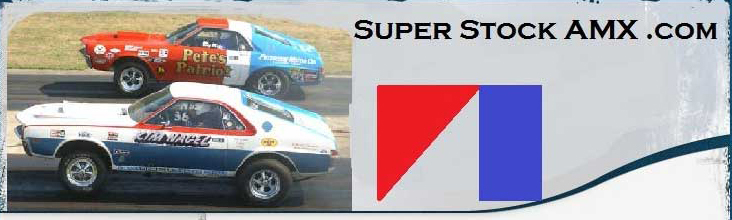
After all this, there are still questions. Why did the hood scoop change? What was done with the shifter? Why was the floor cut? Why were the standard bore pistons installed? What was done to the rear springs? How many horsepower did the engine have? Why did the car end up in SS/E class? And more….A little more research and we will have the answer. The first will be the NHRA rulebook for 1969. What was required, what could be changed? The second piece will be a Car Craft build-up of stock AMX to Super Stock specs.
The scoop was not allowed because the rulebook did not allow these fiberglass parts. A metal scoop was needed, and the simplest one would be similar to the Hemi Dart scoop, and the size would be determined by the bracing under the hood skin. Thus, the scoop on the prototype was a no go.
The scoop was made by the same company that produced the scoop for the Hurst/Olds.
Here is the 1969 NHRA Rulebook:
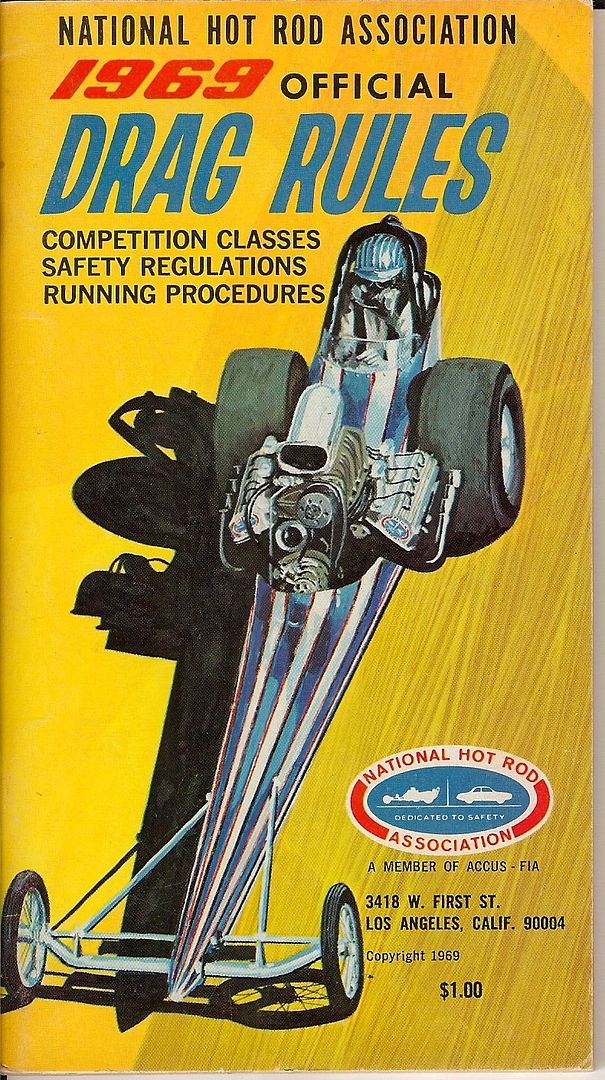

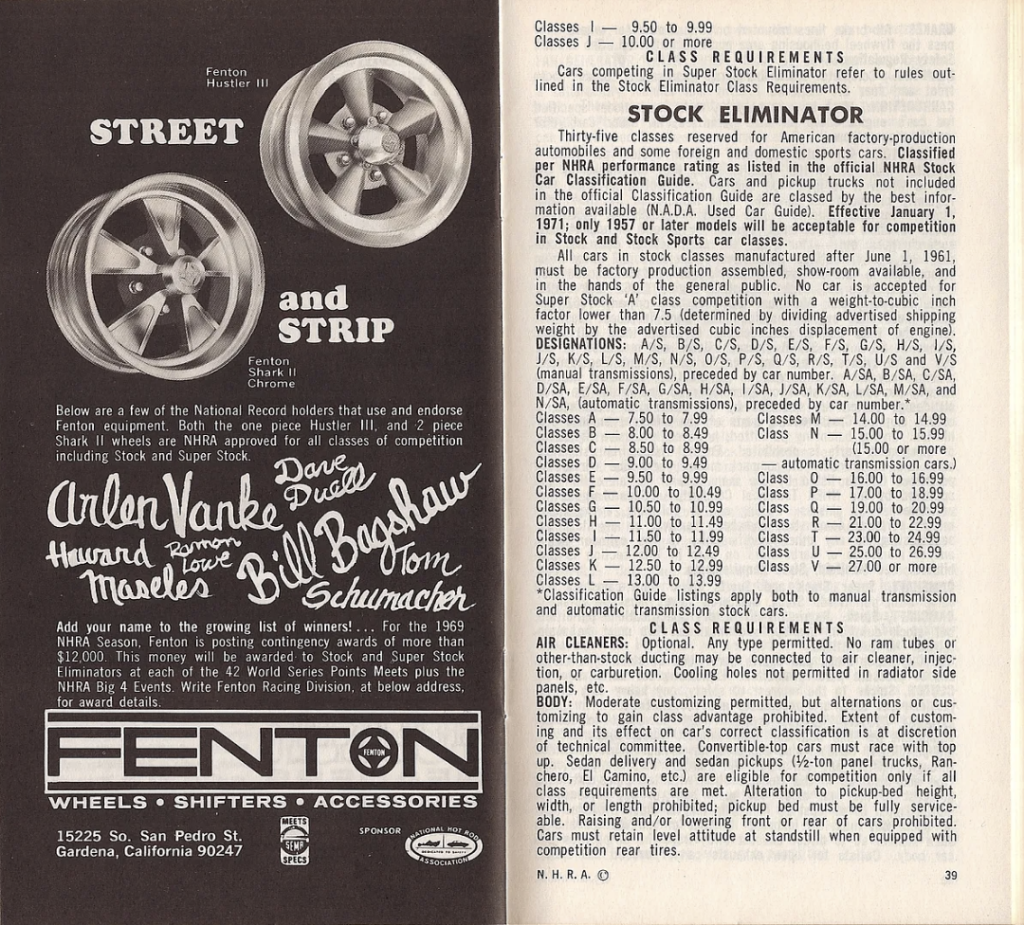
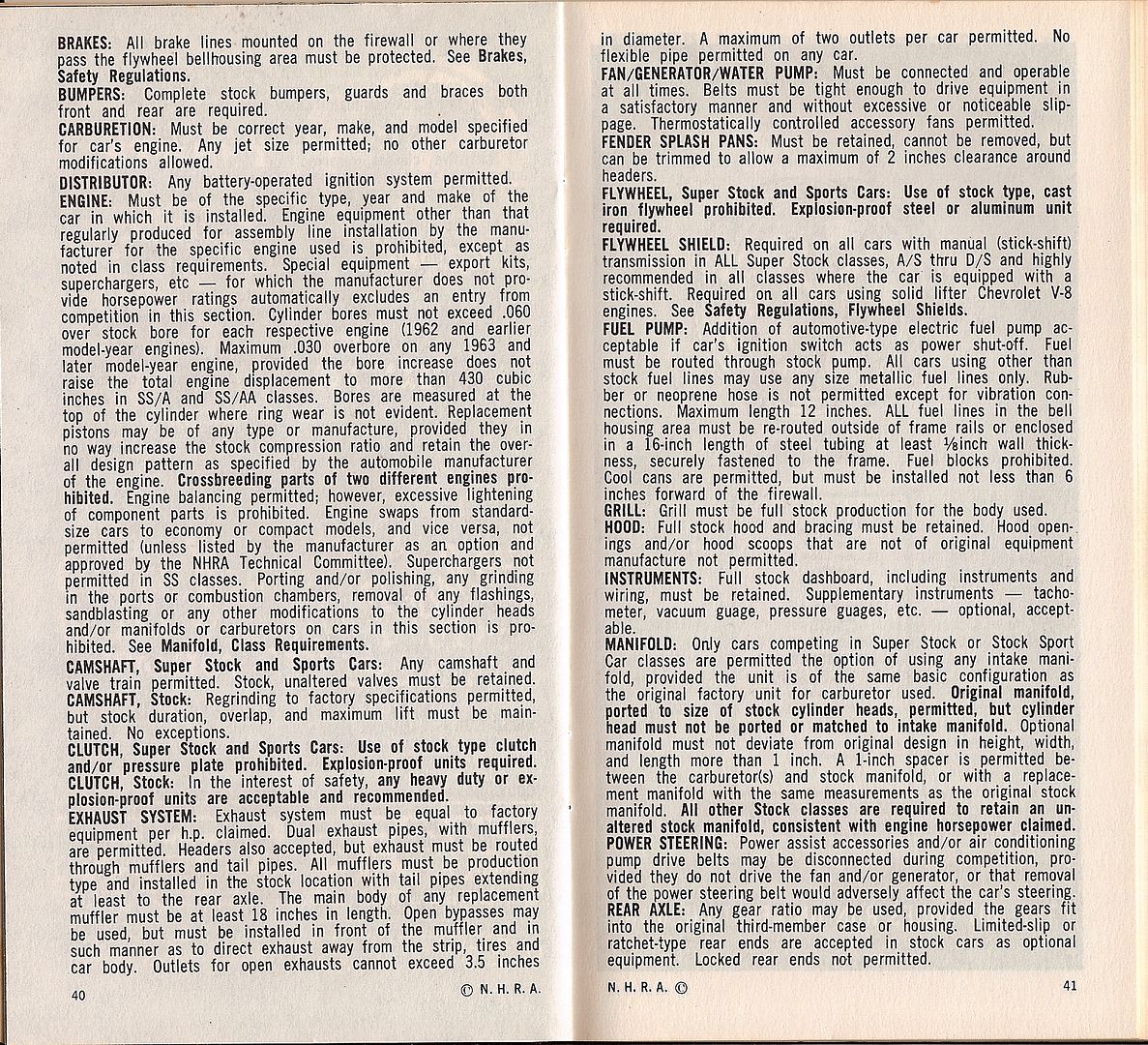
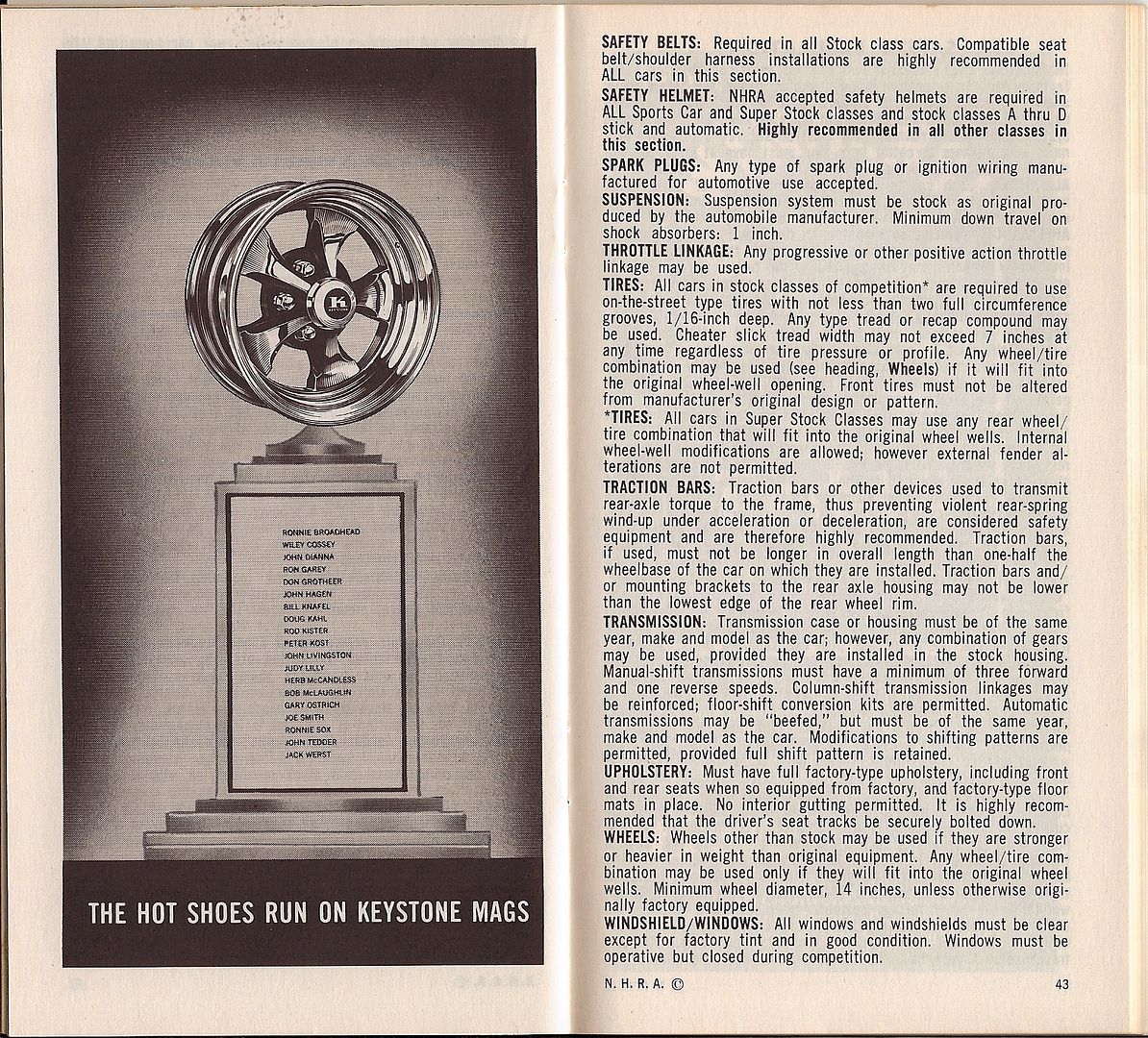
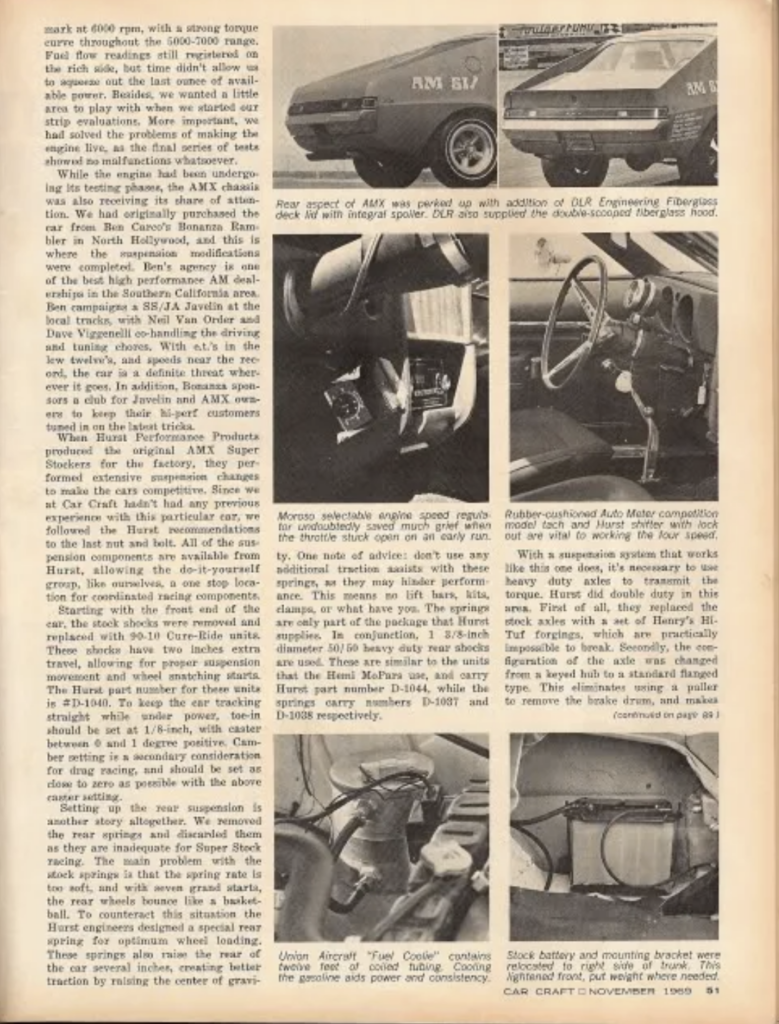
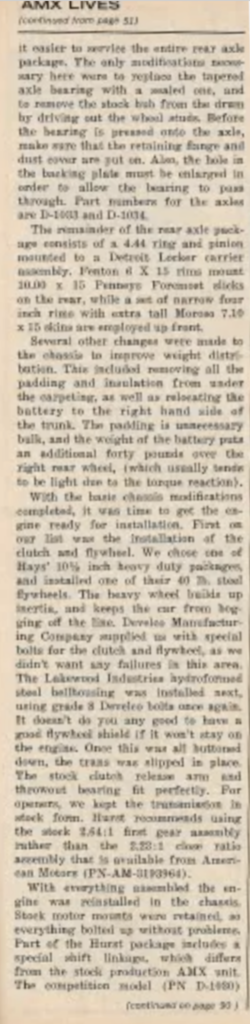
The August 1969 Car Craft article is featured below. It is an interesting read, but like all magazine articles, some things were not checked but came from memory. But the info we need is there. The car was rated by AMC at a low horsepower rating, and they fooled nobody. The NHRA factored the horsepower at a still low 405 hp. They use a horsepower to weight ratio to determine the class, so the AMX was given a rating of 7.58, clearly in SS/E class. (And do you see where they rate the stock 390 at 256 hp?) Pistons-we see there were a number of specs here where the NHRA demand they be stock-or in this case, stock on a minimum of 50 cars. A domed piston was installed by Hurst, which means a racer could now use a domed piston. If it stayed a flat piston, that is all they could use. (And it hurt Car Craft a little here as they tried to use a piston that had two notches for the valves, but could not because the stock Hurst-used piston had one large notch. Gee, do you think the tech inspectors would notice?) A little explanation of the head work and why it was done is told. 460 HP when tested! Interesting the car came from Bonanza Rambler, home of Hurst SS/AMX #14. Front shocks had 2 inches extra travel. Some info on the rear shocks and springs, with a note the original springs are too soft. No mention of any spring relocation, which is interesting because a number of owners have stated their springs were in a stock location. More research needed? And again, 2 separate spring part numbers, meaning a left and right spring. What was the difference? Some people replied that one spring was longer than the other due to the relocation and axle wind-up. Some misinformation on the rearend. It states the Hurst built cars used one piece Henry’s Hi-Tuf axles. But what’s with the info about needing a puller to get the rear drum off? Hub-yes. Drum-NO. Further in the article-removal of carpet underlayment to remove weight, and relocation of the battery. So this is what they meant by sound deadener, the stuff under the carpet? “Part of the Hurst package includes a special shift linkage…”.
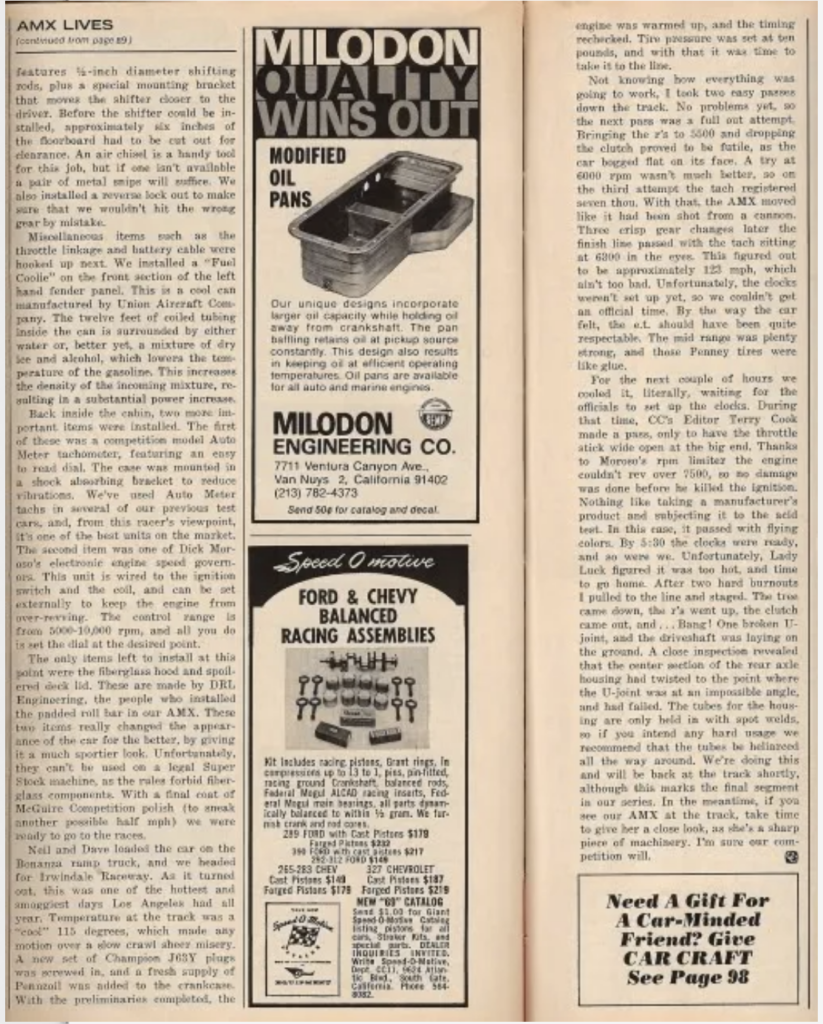
Here it is-1/2 inch diameter rods and a special mounting plate to move the shifter closer to the driver. Also, removal of some of the floor pan. A reverse lock-out was installed by Car Craft, which appears to be the same used by Hurst. Unfortunately, they were unable to really thrash the car due to a rear axle problem. Yep, common knowledge now, maybe not then. The axle tubes are pressed into the center section of the differential, and they “spin” or turn under hard acceleration. This one caused a broken u-joint. Someone wondered why my former car had a stock rearend, and I noted it had a 9′ Ford when I bought it. I also mentioned the wonder should not be why would it have a 9″ Ford, but rather why it didn’t. The 9″ bolted right in and was near bulletproof. A little research sure answers a lot of question. Here are the articles: Car Craft July 1969 (Part I)
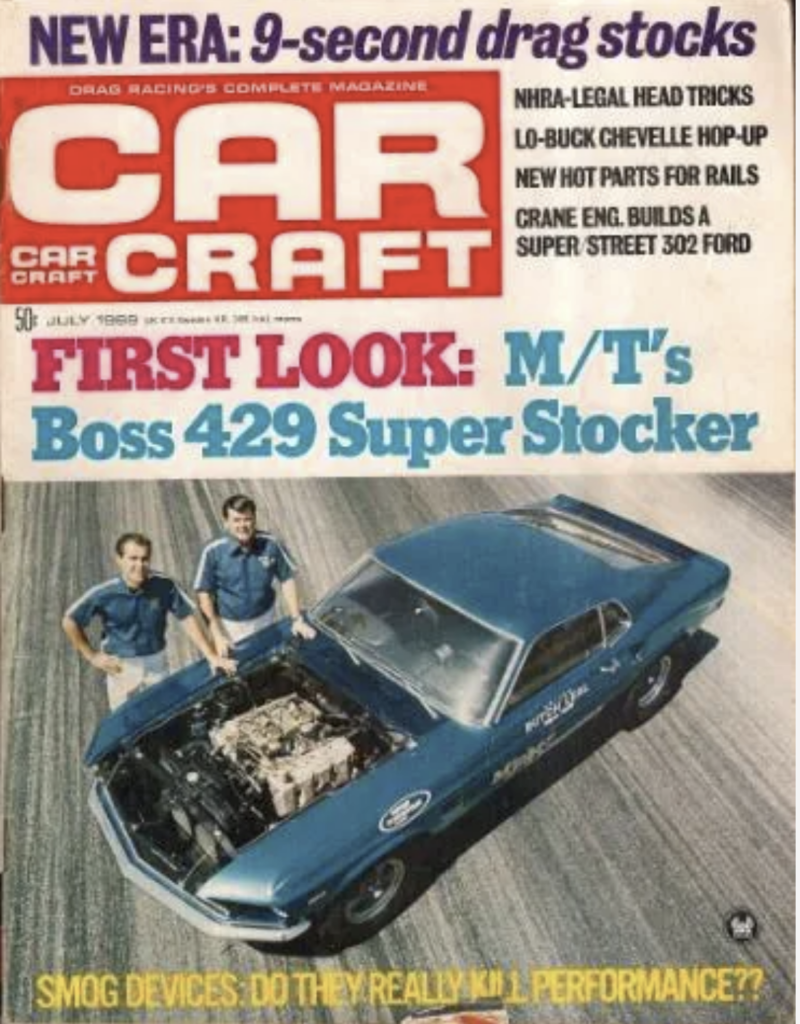

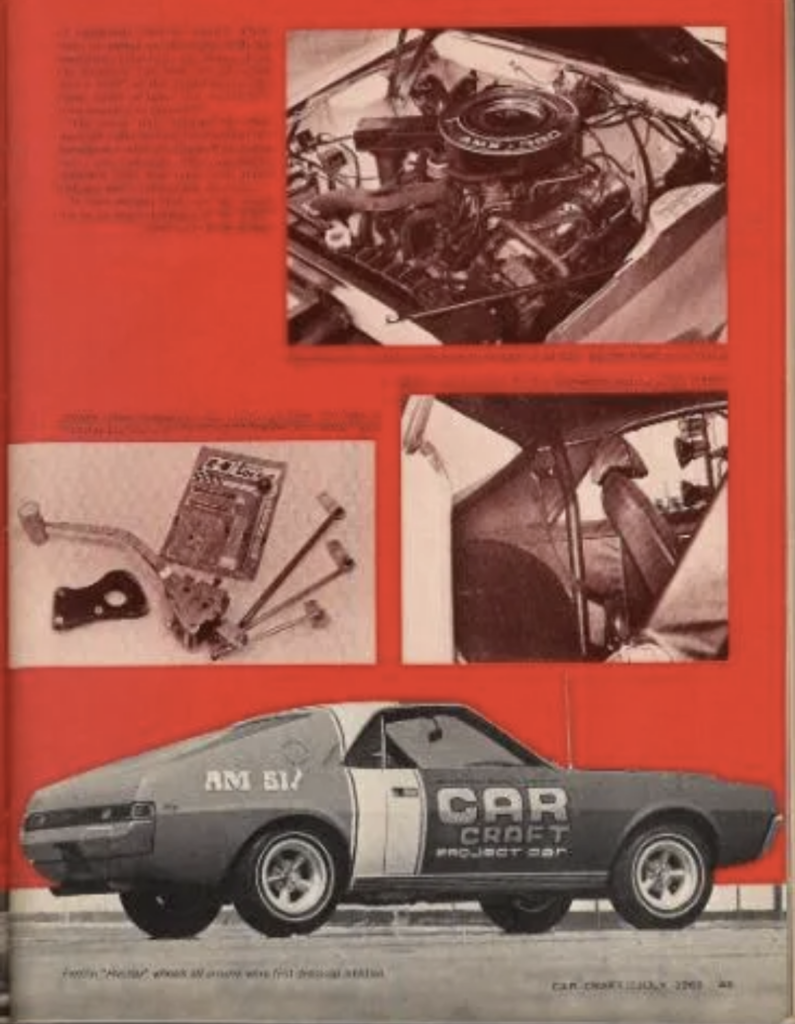


Car Craft August 1969 (Part II)
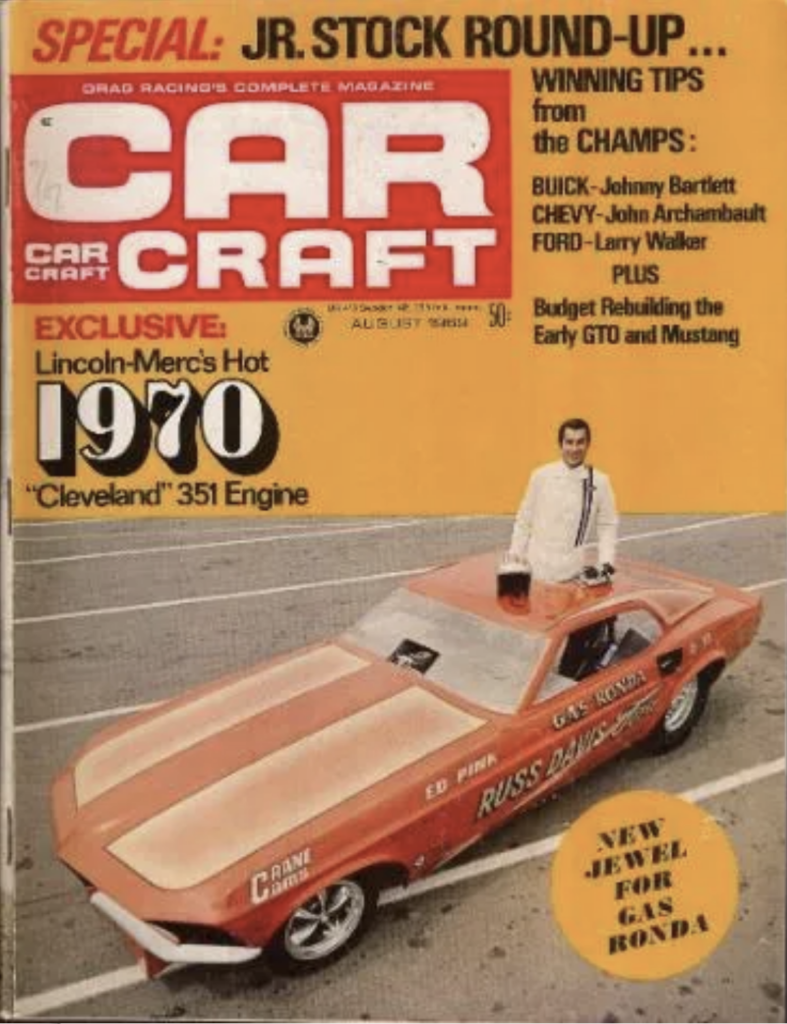
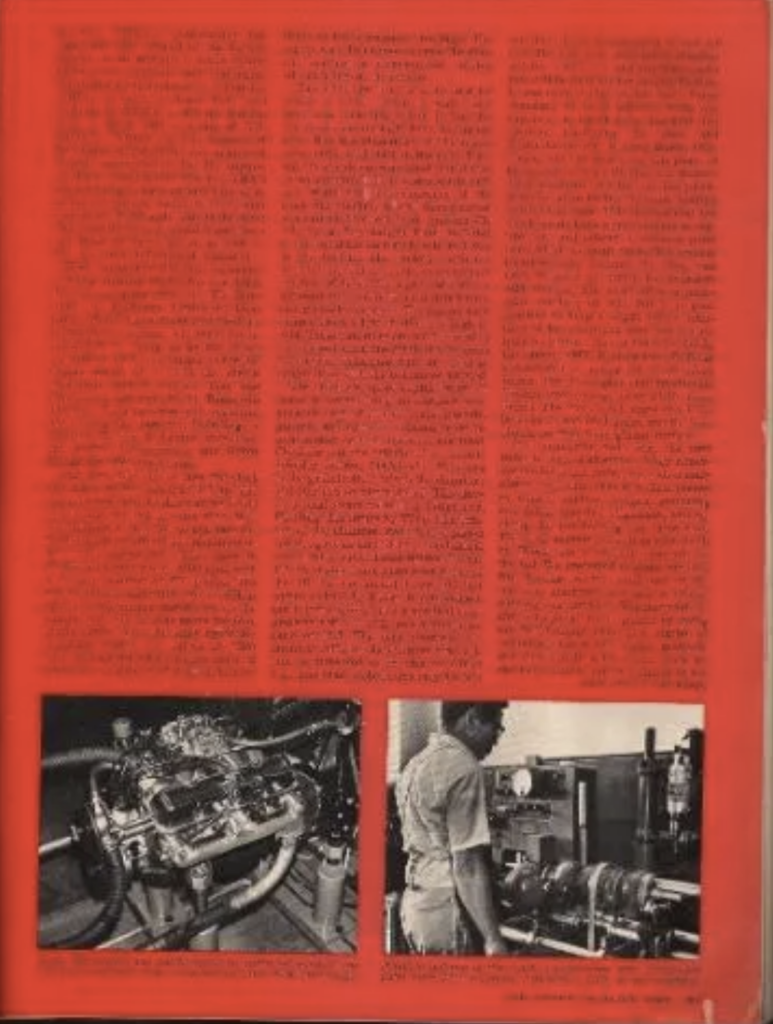
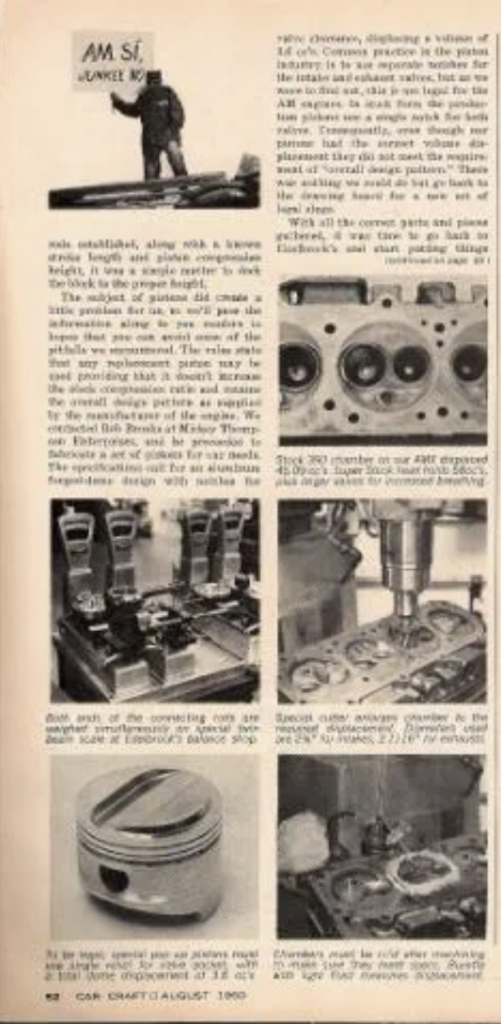
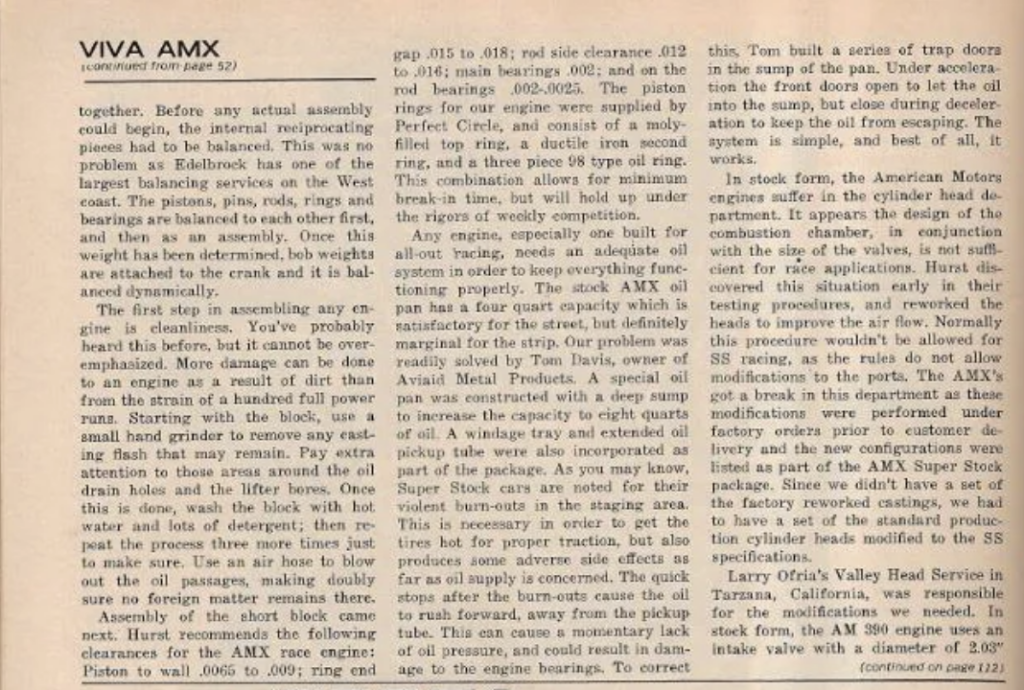
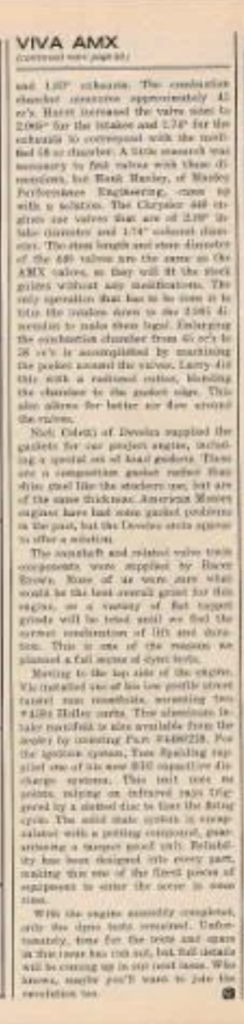
Car Craft September 1969 (Part III)


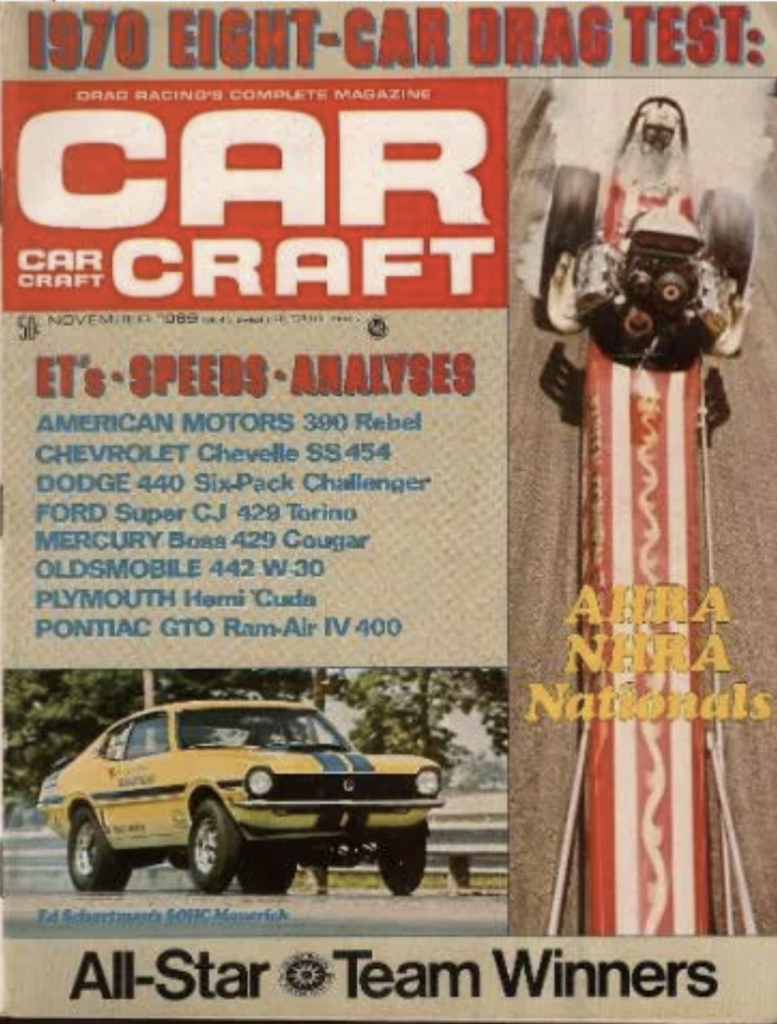
Car Craft November 1969 (Part IV)

Here are some photos from the late 60s:
Can you find the AMXs?

Fourth row from the right, fourth car back is “Chuck’s Luck”. There is another all white car third row from the right, sixth car back. This is George Warren’s car.
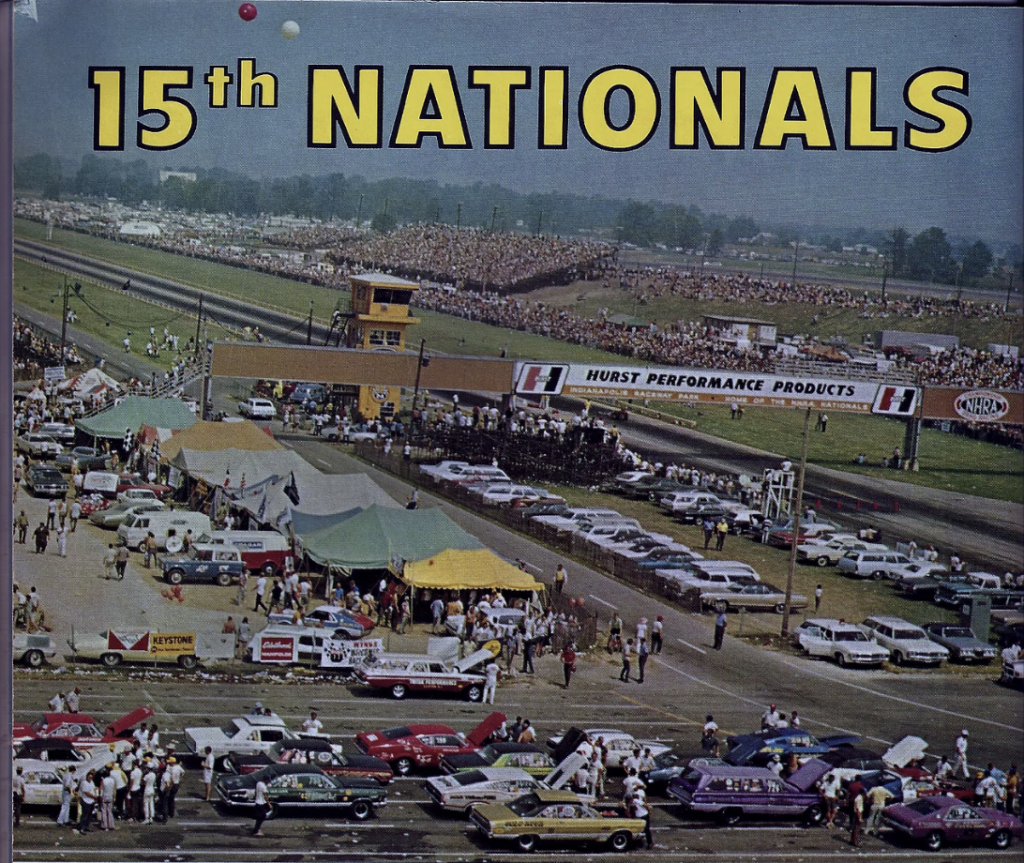
69 Indy Nationals. The purple car is Jim Riley’s (Car #49), next to the red, white, and blue car of Howard Maseles (prototype car, Second Attempt). The Beachy Brothers car can be seen near the green tent.
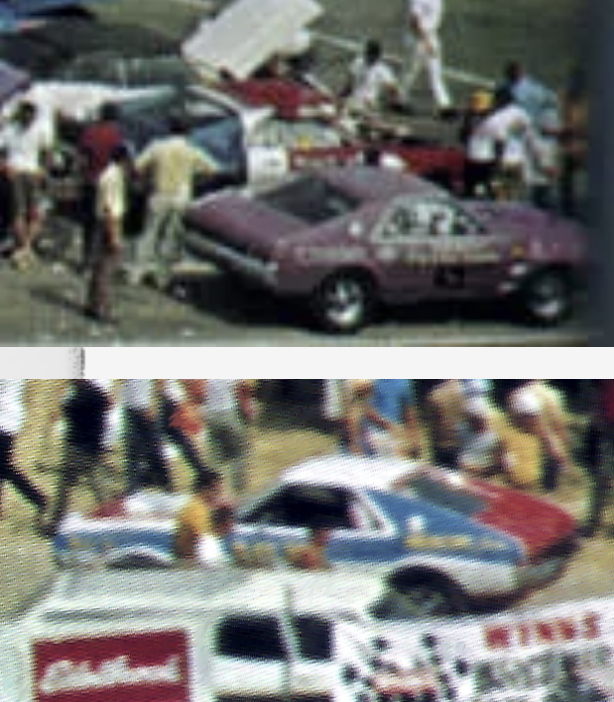


George Warren again, far left row.
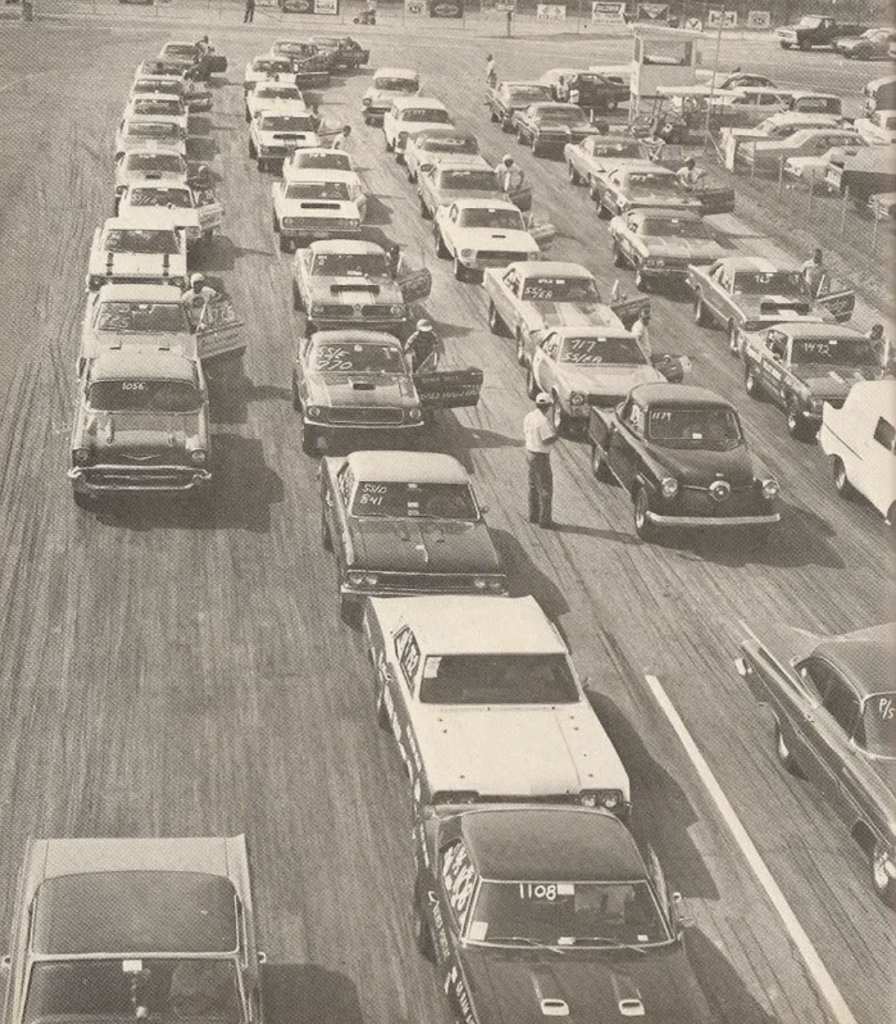
Third car in the third row from left is Dave Kempton’s non-Hurst car. Note no hoodscoop.
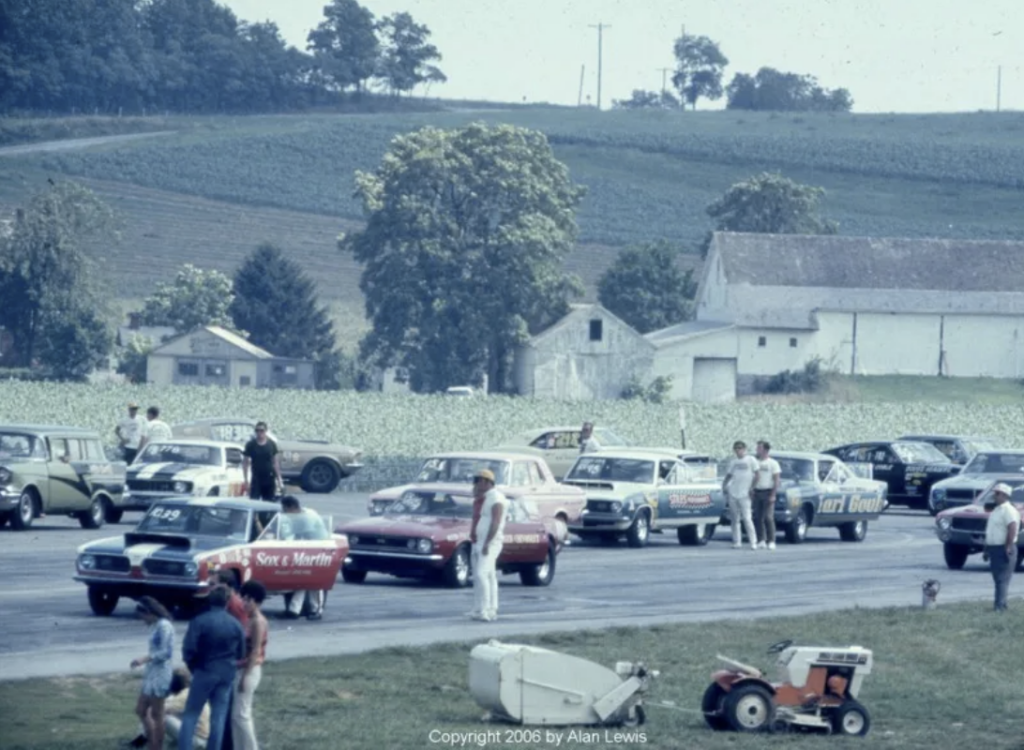
69 Indy Nationals. The purple car is Jim Riley’s (Car #49), far right.
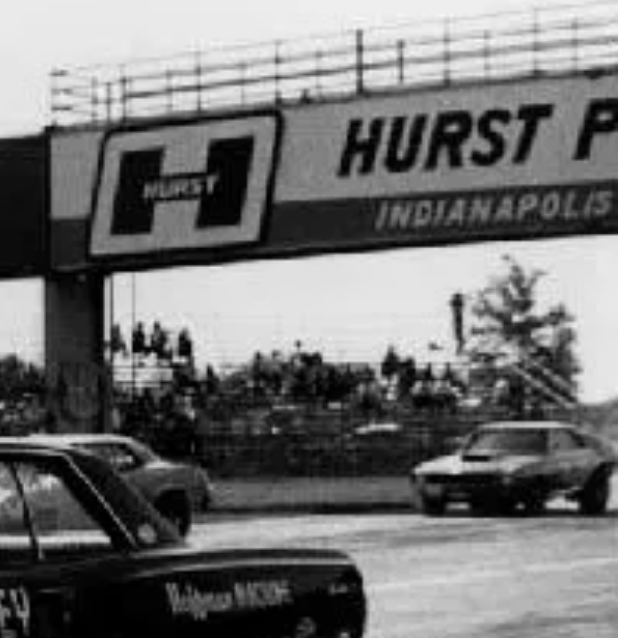
Car #20, Toonerville Performance.
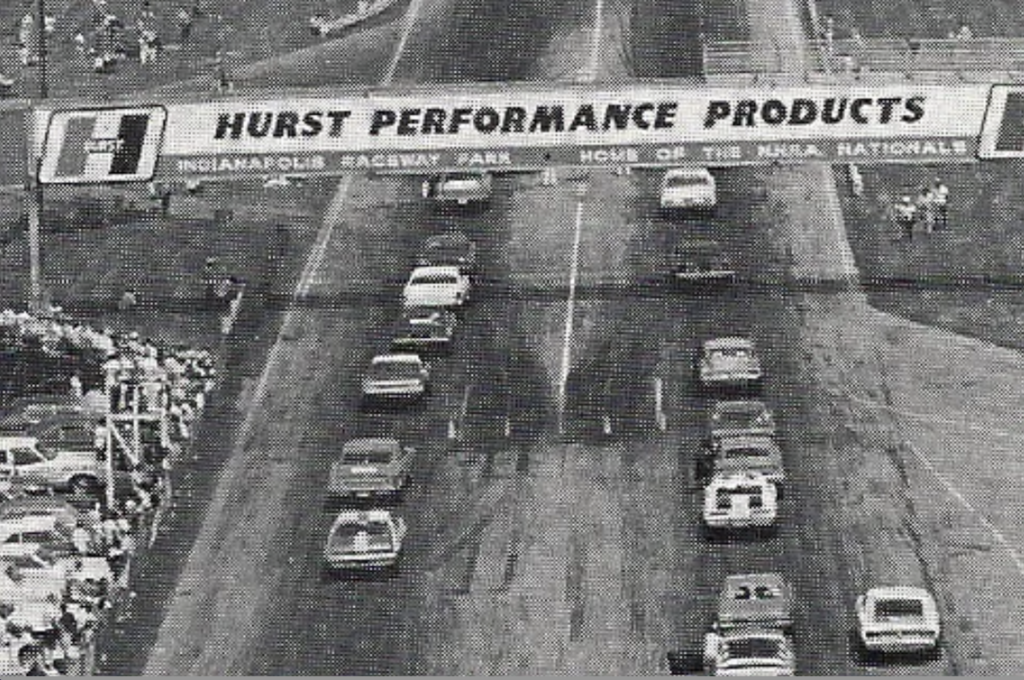
Last car on the left is #8, Blossomland Motors.

?
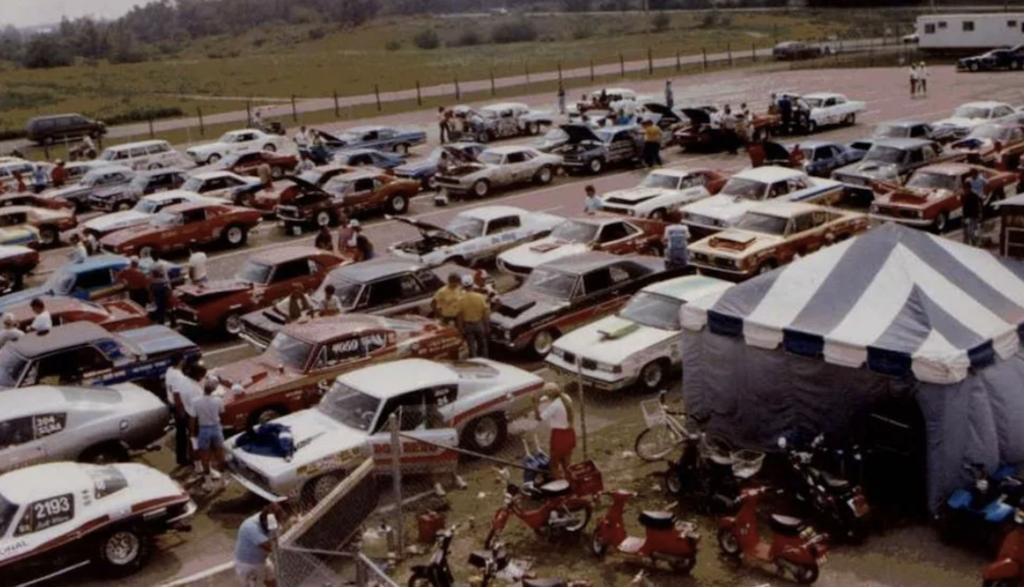
“Wild Child”, third car, third row from front.
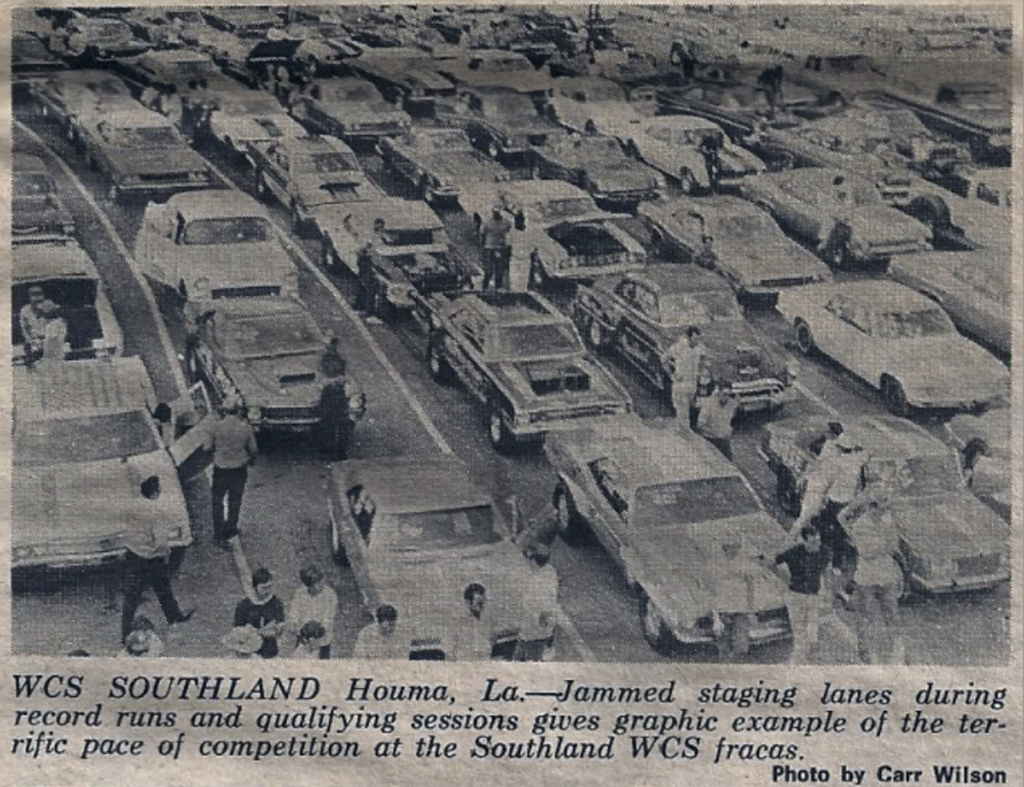
?
Rodekopf, car #50, first car in staging lane.
Rodekopf and Nagel cars, plus non Hurst built AMXs.
There must have been some confusion during the tech process sometimes in the season as AMC sent out this letter in August:

Sometime after the 1969 season, AMC sent out a “kit” to update the cars to run as 1970 models. It was thought the idea was to homologate these cars so the new dog-leg heads could be utilized, but it was actually a marketing ploy to showcase the newly designed 70 AMX. This was not an uncommon practice in the NHRA-updating body panels for the new year. However, I don’t know if any company actually tried to re-VIN cars. Here is the 1970 NHRA Rules:


Here is the 1970 NHRA Rules from a magazine article:


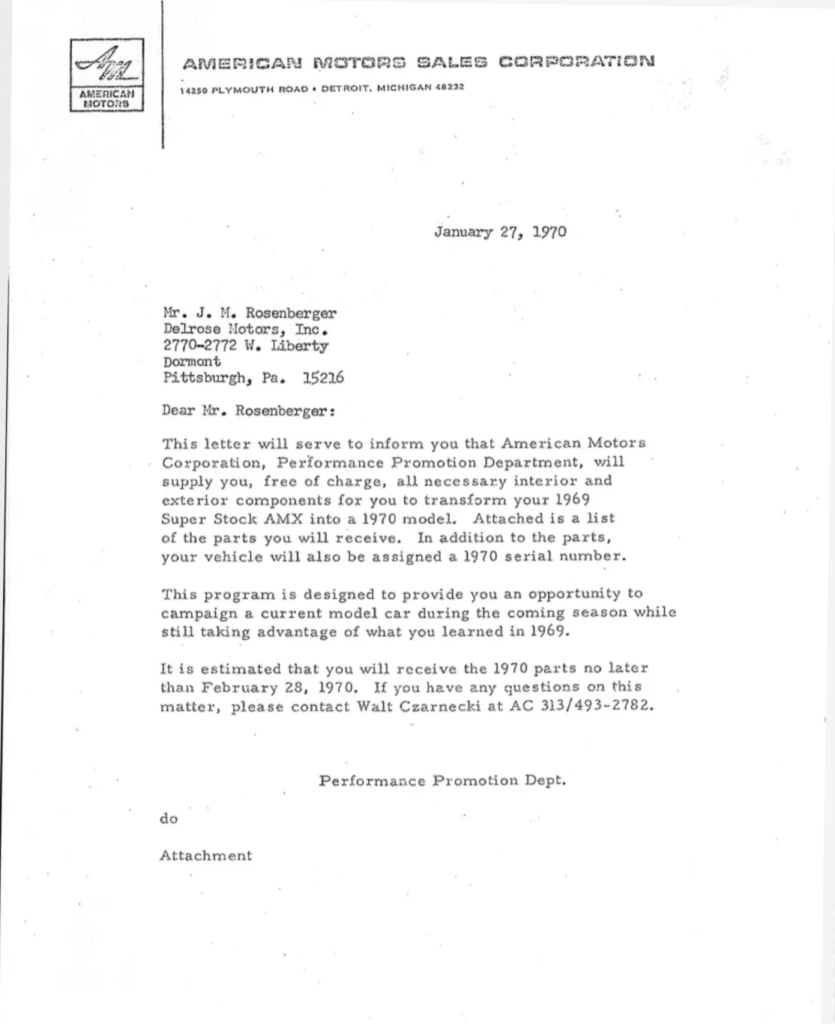
The following letter was sent to all the owners of the cars. AMC was offering the complete change-over kits free of charge to all owners, complete with a new 1970 VIN. A few things from the letters to discuss. The dashboard was just pulled from the assembly line and sent out. There is a notice to remove the wiring harness and use the one in the car as they were not sending a new steering column. There
was directions for the ignition switch assembly installation in the dashboard and an explanation of the various components in the dash. There is a note the doorpanels would be sent separately.
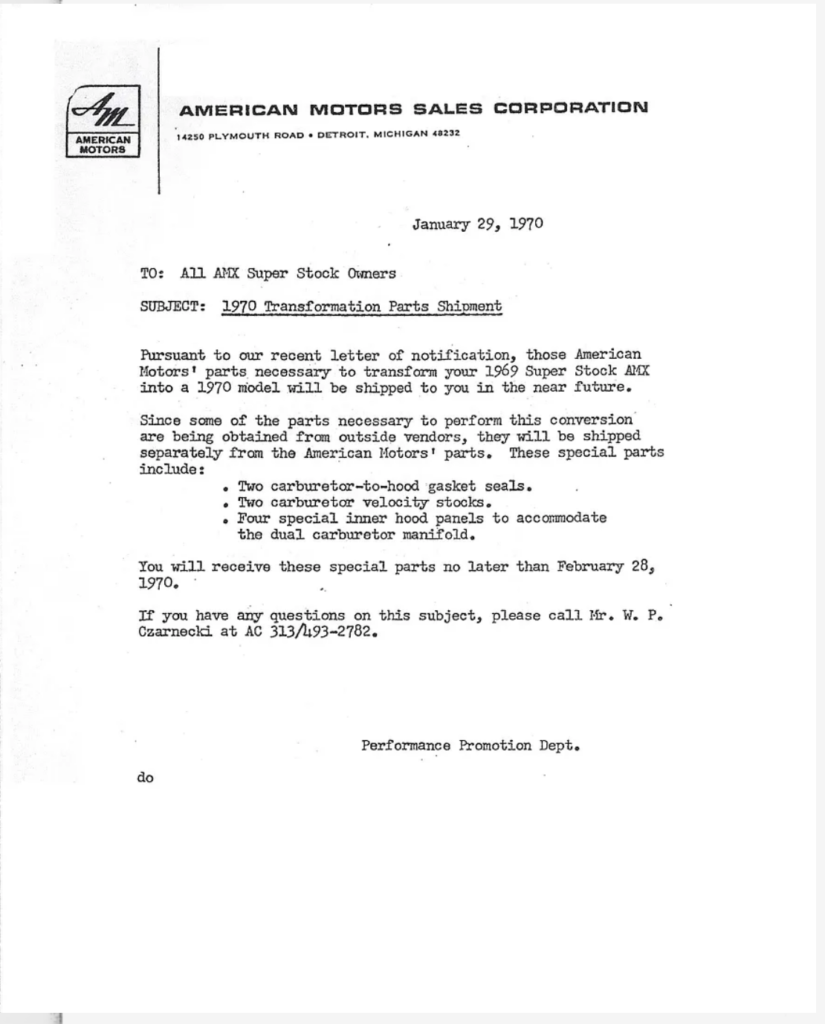
The new ram air hood had special aluminum inserts to align the hood scoop with the dual carbs and seal the carbs to the hood for a true ram-air effect. New foam and velocity stacks were also part of the
package.
Some parts were not included and had to be obtained from a local AMC dealer. (See letter).
This is the first letter sent to the owners:

The next letter was two days later:
Here is the packing list of parts AMC sent to the owners of the Hurst SS/AMX cars. This is dated the day after the above letter, but note the reference of an internal memo dated January 16, 1970 from J. Hennell: