
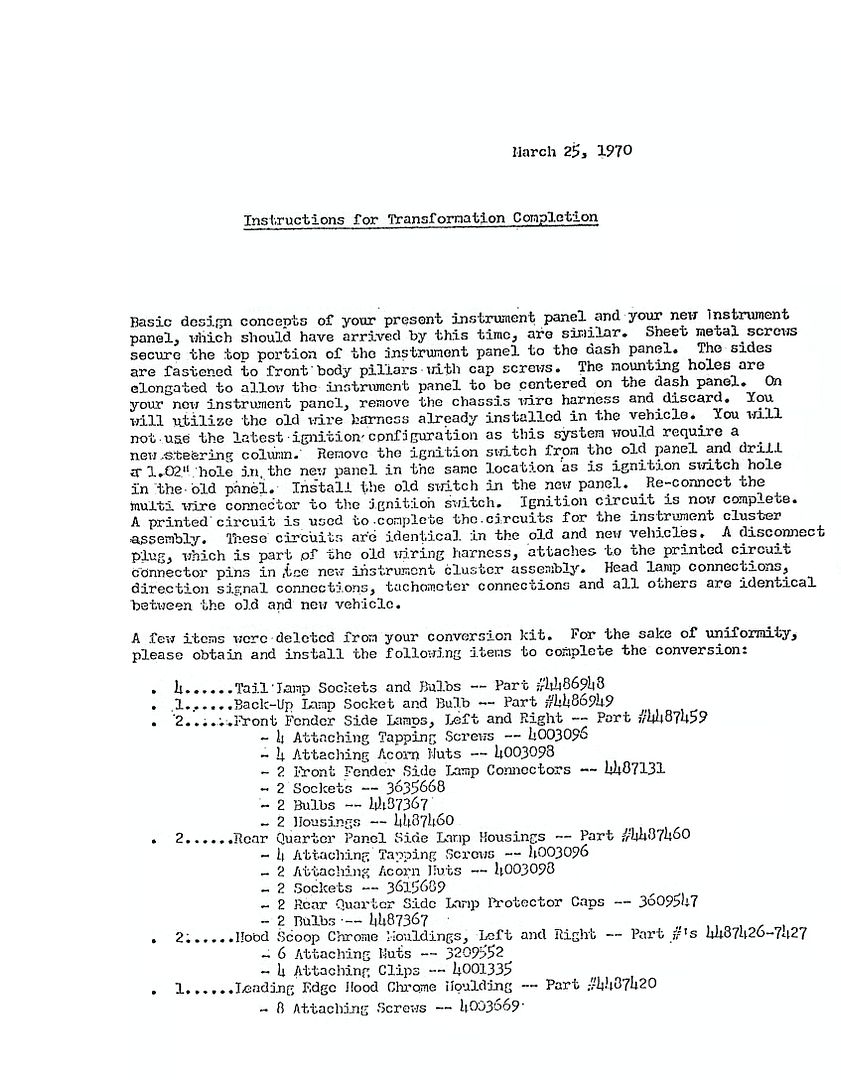
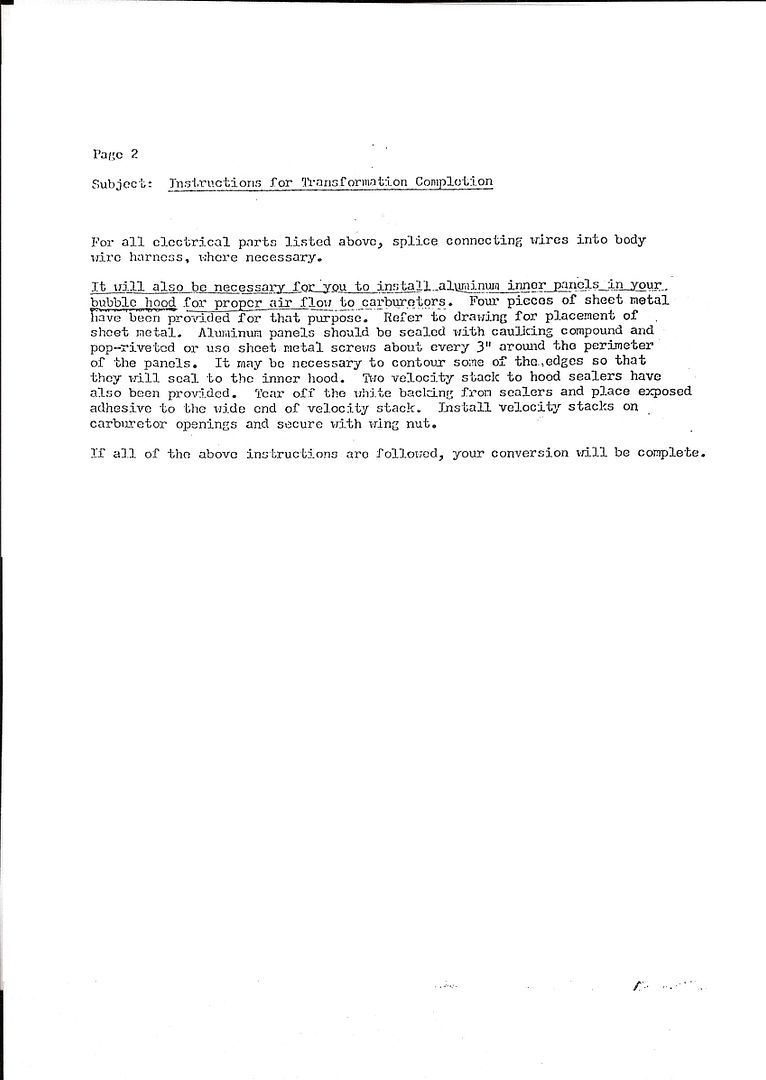
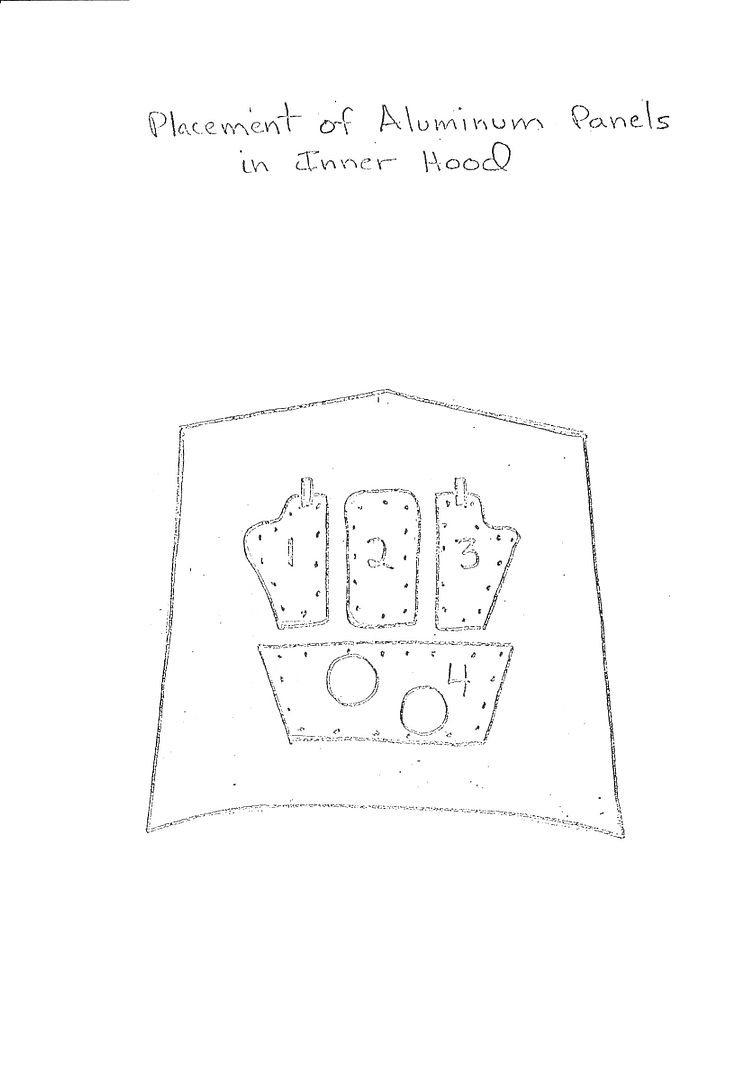
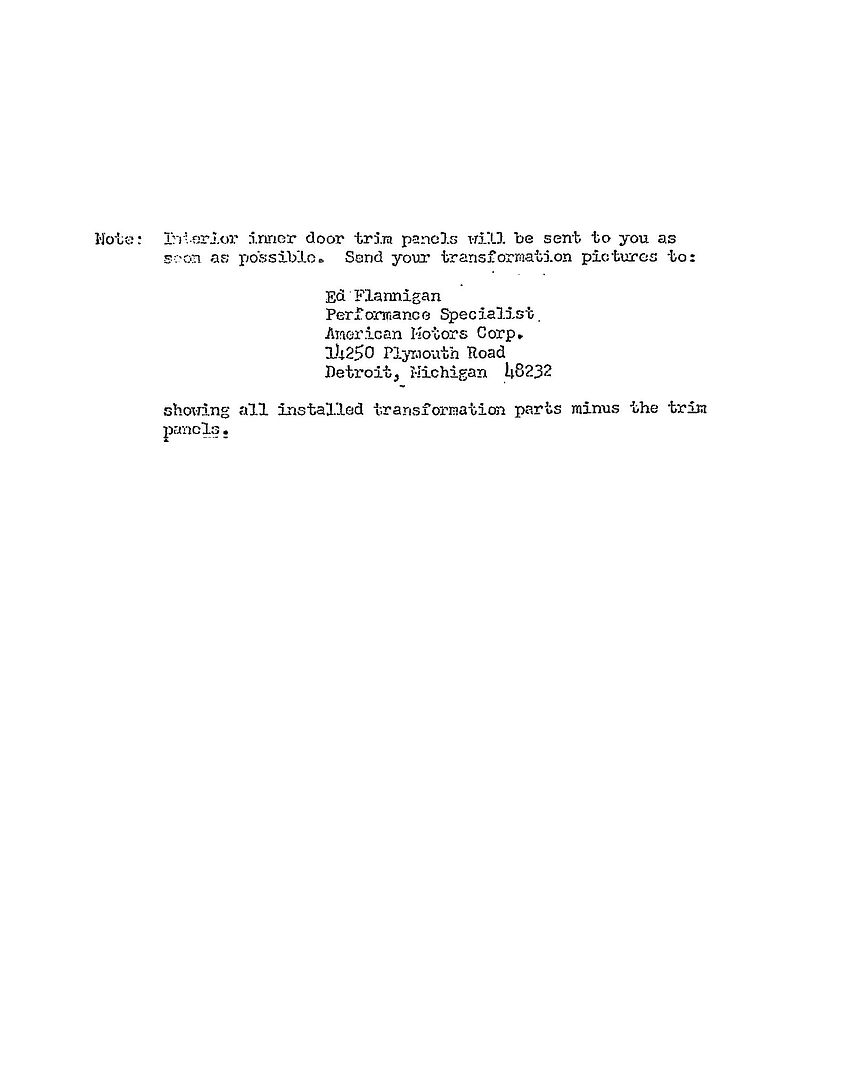
A letter sent March 25, 1970 contained the “Instructions for Transformation Completion”, or detailed instructions on how to convert the car to 1970 looks. It is interesting this letter is dated almost two months after the parts were sent out.
Here is the change over Bill of Laden from above, but I priced the parts from a July 1969 price book. (Note that the parts without a group number were components, and I do not have a price for these.
For instance, the taillights included the lens and housing).
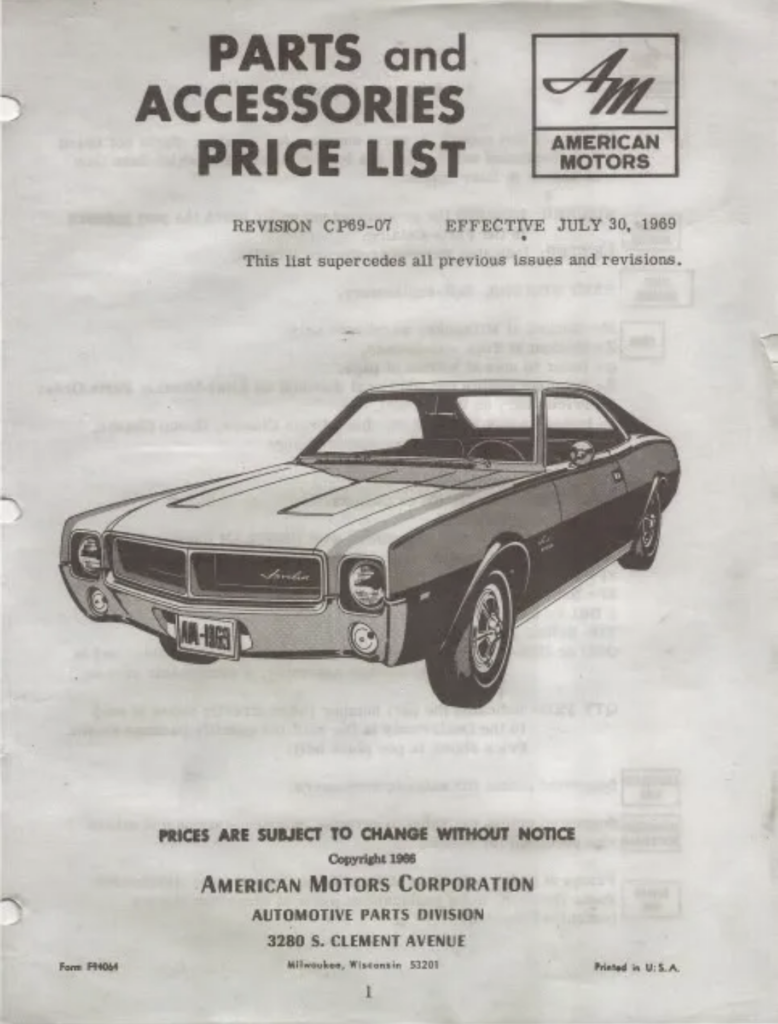
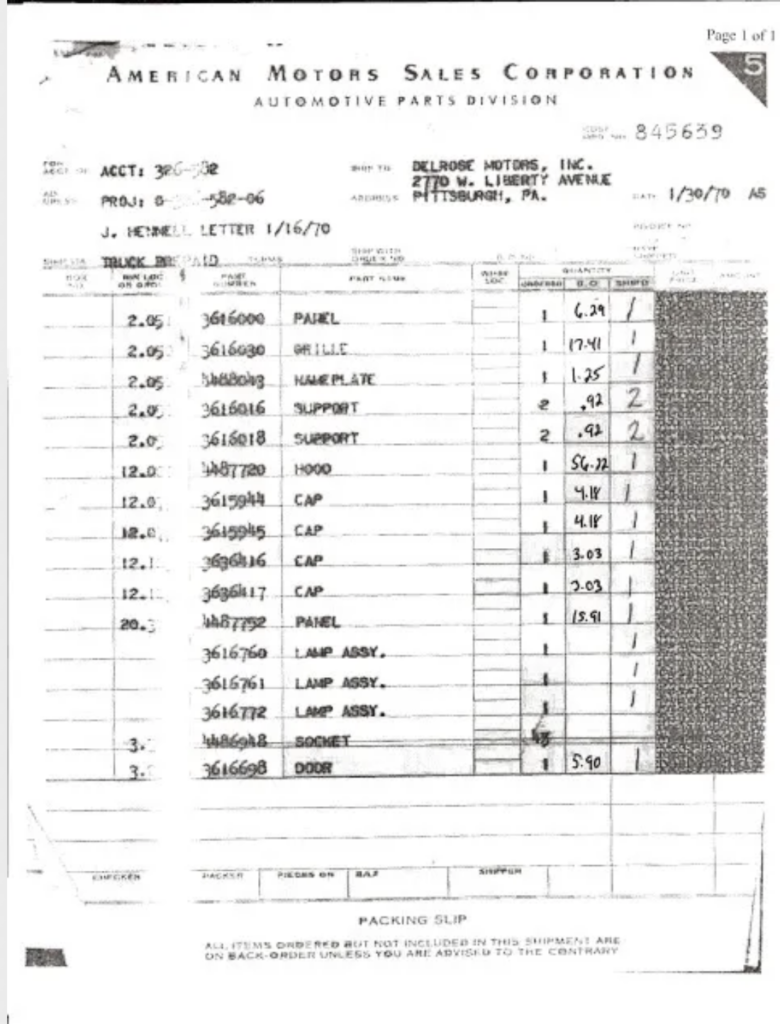

If you look at the list you will be able to determine exactly what parts were used-grill assembly (with parking lamp assemblies, support and four brackets, and AMX nameplate), fender extensions with headlight doors, hood with scoop, (don’t see the hood front chrome, though), rear fender extensions with left, right, and center taillight assemblies. Front bumper with scoops and the two bracket extensions, left and right door panels (without remote mirror), and a dash assy. (Did this include a VIN as well? I do not know everything used in a dash assembly, but can only guess. The VIN was actually part of the kit, included in a small envelope.). Lastly, a complete set of front seat assemblies.
The total Dealer cost for these parts? $211.51 plus the cost of the dash, seats, and taillight and parking light assemblies. So maybe around $500 dealer cost, less factory cost. Next, the car owners installed/painted the parts. Taillight panel was a pain, but everything else was bolt-on. Probably a few days in the shop. And then….the NHRA said no. Was it because the 69 suspension was still on the car, not the new 70 version? I don’t think so. The NHRA stated the car could still be raced with a single four barrel after the conversions with no mention of the suspension. I bet it is because there were not the mandatory 50 cars sold in 1970 with a cross-ram installed. Needless to say, the car owners were not happy. There is an unconfirmed reports that at least one owner was so upset he sold the car at the track!
Another already sold the 69 items he took off the car, so no longer raced class. Still others decided the cars were quite the performers, but now instead of going back to class, they added automatics, or made other modifications. At least one got a Chevy engine. Others, such as the S & K car and Drag-On Lady converted back to 69 components. (I wonder what everyone did with the 70 parts they either never used, or took off their car?)
And I wonder about the VINs. Were they on the dash assembly? (No, they were in a small envelope with rivets). Were they assigned in relation to the existing VIN on the car? (No, the VINs were sequential, but not in the same order as the 69 list). Were records kept? (Yes, see below). Were these VINs counted towards the 4116 total 1970 production? And if I put the 69 dash assembly with 69 VIN in another car, could I now have two Hurst SS/AMXs? These cars apparently also came with new paperwork, to include a sticker price. One has an owner’s warranty card (yet no warranty came with the car).

Notice the final price: $5026.50. This is very different than the 69 price! I wonder why? Also, I do not have Beacon Motors as a selling dealer. I think I may know why they are listed (bought out/changed the name of another dealer?) but can anyone verify this? Here is the list of 1970 change-over VINs as provided by AMC:


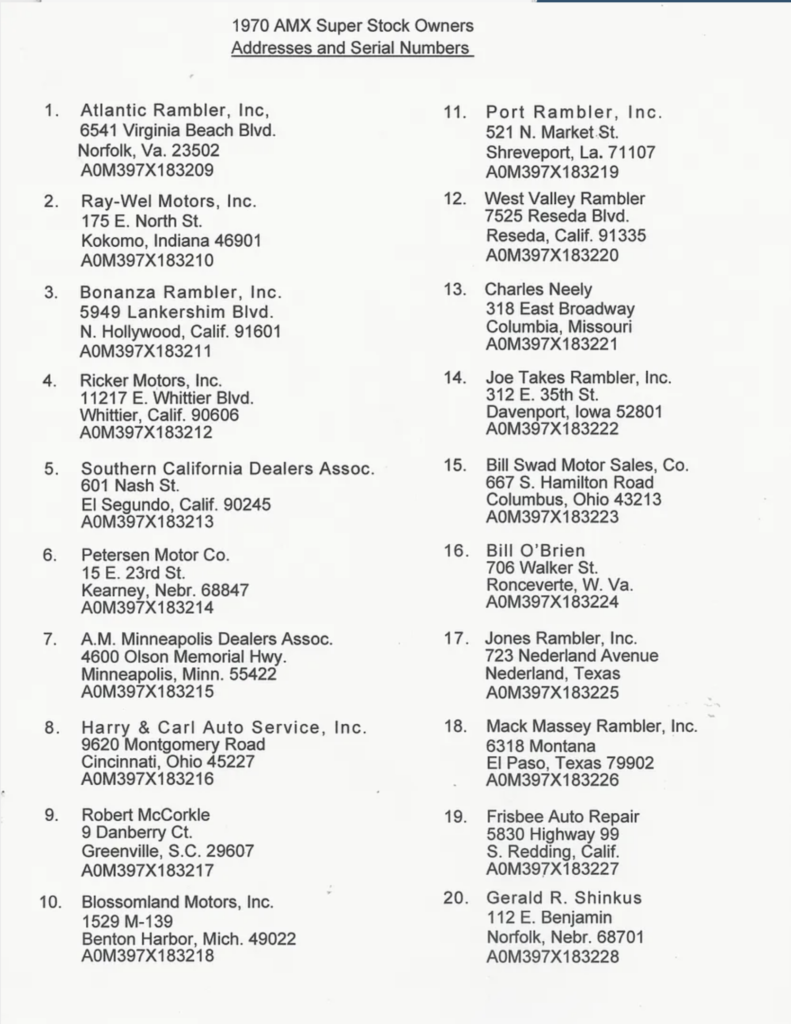


The VIN sequence does not align with the 1969 VIN sequence at all, but there are 53 consecutive VINs assigned to the cars. Interestingly, the original list came out April 24, 1970 and did not include the two Canadian cars or the prototype, so the list was changed the next day and “rev 1” was added to the date. I wonder how they determined the sequence number to assign the VINs? It’s been a number of weeks since I asked someone to produce the document that shows the consecutive VINs of the 1st batch (and maybe only batch) of Hurst SS/AMXs. Nobody has been able to produce it-not one person. A lot of you have done the research, but came up empty. I asked you all how the “accepted” VIN sequences add up to 53 cars. Everybody wanted to ignore this fact, and continue to quote what they always heard, but never saw. I hope this is a lesson to everyone-do not believe everything you see, you read, you hear. There are so many stories out there about AMC cars it is crazy-“It came this way”, “AMC would build anything”, “All Donohue’s had 4 bolt mains”, “AMC substituted the part when dealers inventories fell low”, “My car is a late/early car, so…” Get the point? So here is one:

Yep, you’ve seen this before, only it was poorly scanned and “fixed”. Here is an “unfixed” copy. Note the ending VIN on it-or note there is NOT an ending VIN on it. The sequence we all know came about back in the late 70s when an overzealous owner of one of these cars wrote an article and just added “52 or 53” to the number. There were only 52 cars in this first batch. Just 52. There was also a prototype (more on this later). Here is the correct VIN sequence to these first run Hurst SS/AMX cars:
A9M387X213560 to A9M397X213611.
So why am I saying “1st run”? Because there is unsubstantiated rumors that there may be another batch made, or at least some other cars. One of the people who said this is none other than “Doc” Watson. And there are many other cars that do not fall in to the accepted (and hopefully now correct) VIN range they are discounted-just like my first analogy of the early 68 quarter window trim- “It’s not right” says the Know-It-All, so there is no follow-up.
So what have we learned? “Real cars did not come with the Go-Pak stripes. This car can’t be real because it has stripes. (It is real, stripes added later):

Hurst SS/AMX Car #49
“The cars were all white, so should be white under the hood.”

This is Hurst SS/AMX Car #34 (and here it is again):

OR
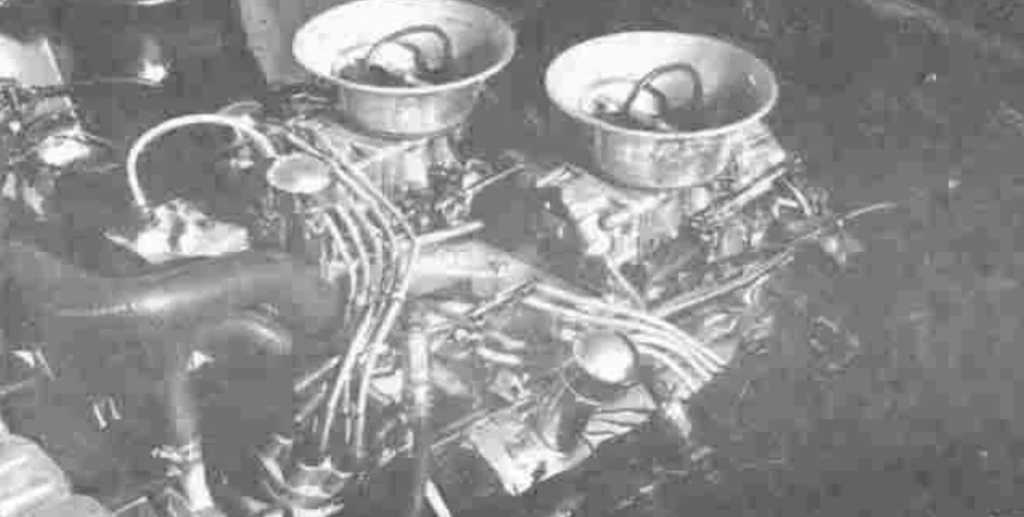
Come on-this is Hurst SS/AMX Car #35 Drag-On Lady
And here it is again-(Note the wiper motor plate is removed and look at what color is under it. Yep, it was white once, same as the other one. They were both painted later).
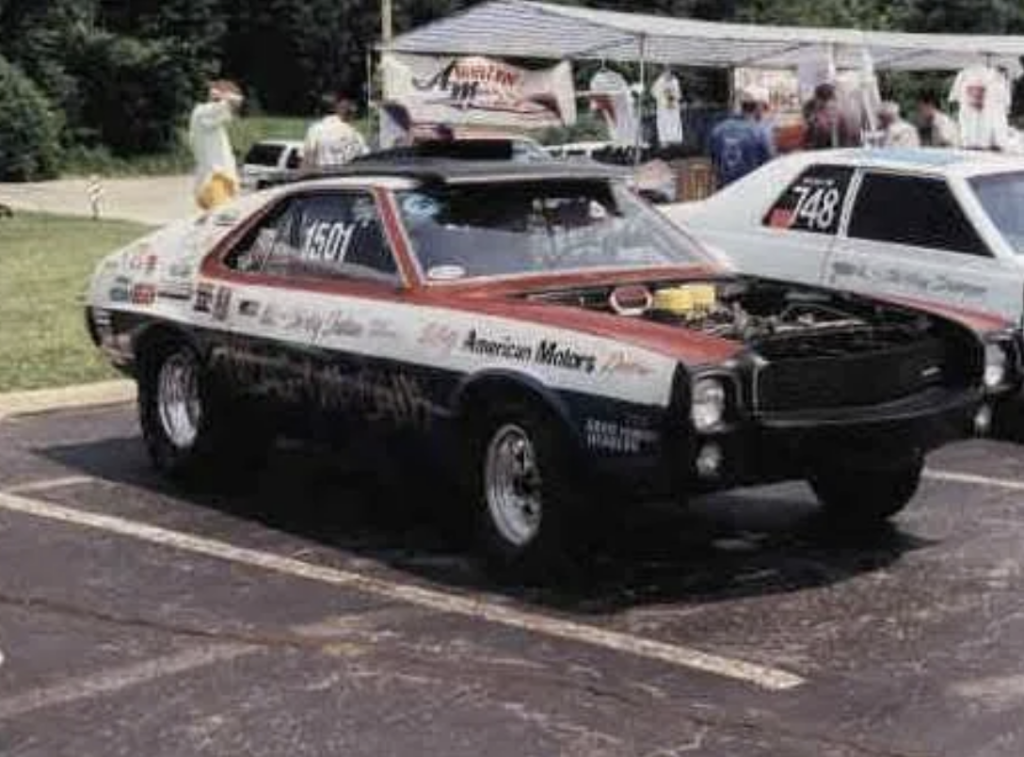
“Then cars had no sound deadener sprayed on the car.”

Hurst SS/AMX Car #51 sound deadener in driveshaft tunnel. And here inside a door (note holes drilled in the window track by owner):


Hurst SS/AMX Car #39 Pete’s Patriot with sound deadener in the inner quarter panels.

Hurst SS/AMX Car #17 McCorkle Brothers with sound deadener in the inner quarter panel
“Cars had/didn’t have hooded dashes.”
Hooded
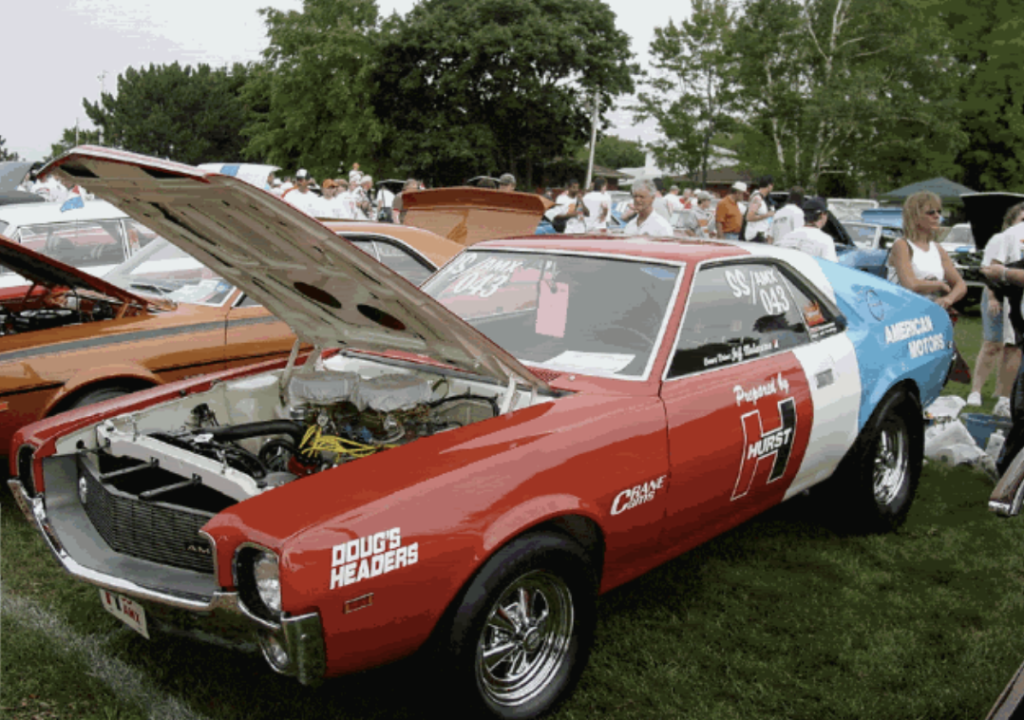
Non-Hooded (I am betting they all came this way): non hooded

“They all had electric/vacuum/no wipers (They all came with vacuum wipers except the prototype)”
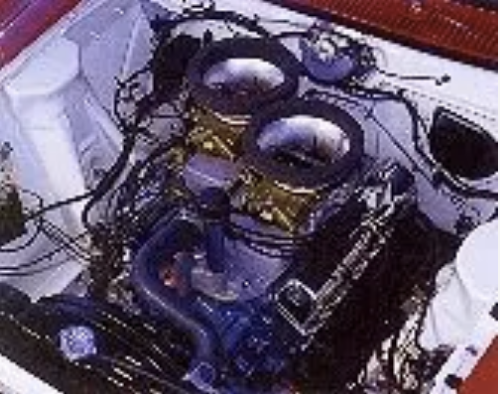
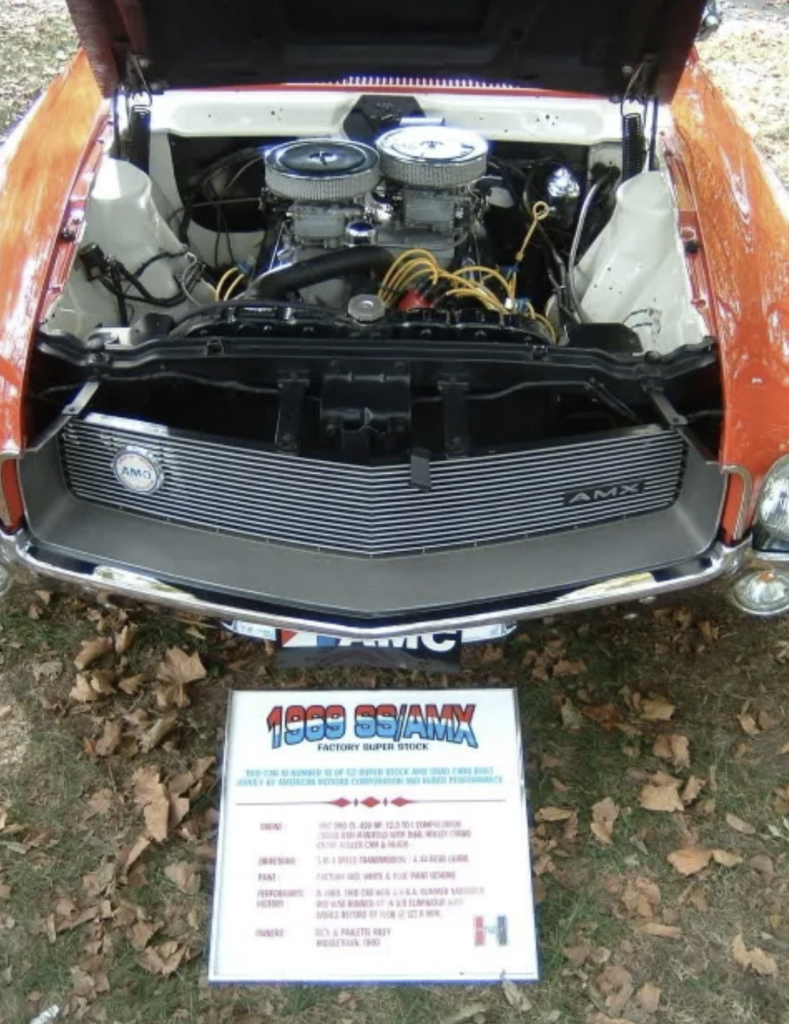
“They all had modified rear spring locators”


Hurst SS/AMX Car #26 Sheriff of Nottingham rear spring perch (The bolts through the floor are for the rollbar. Here is a shot of the front of the rollbar with the bolted brace through the floor):
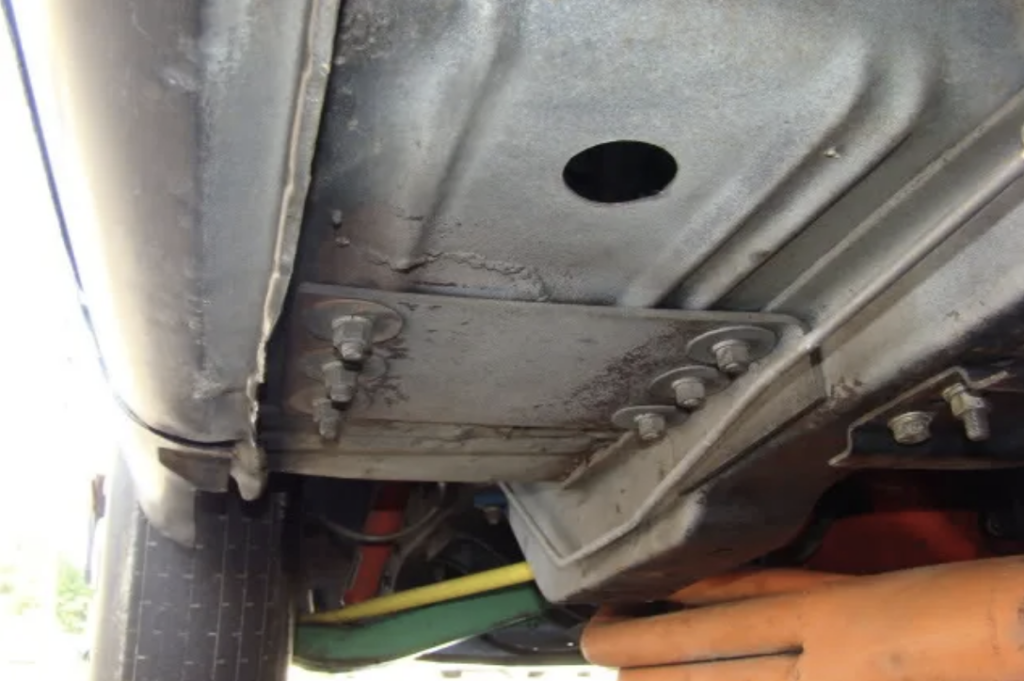

Hurst SS/AMX Car #17 McCorkle Brothers rear spring perch:


Hurst SS/AMX Car #39 Pete’s Patriot with a highly modified rear spring perch and whole rear suspension geometry (and you surely don’t think Hurst did all this for the price, do you?)
Here are two stock 1969 rear spring perches:
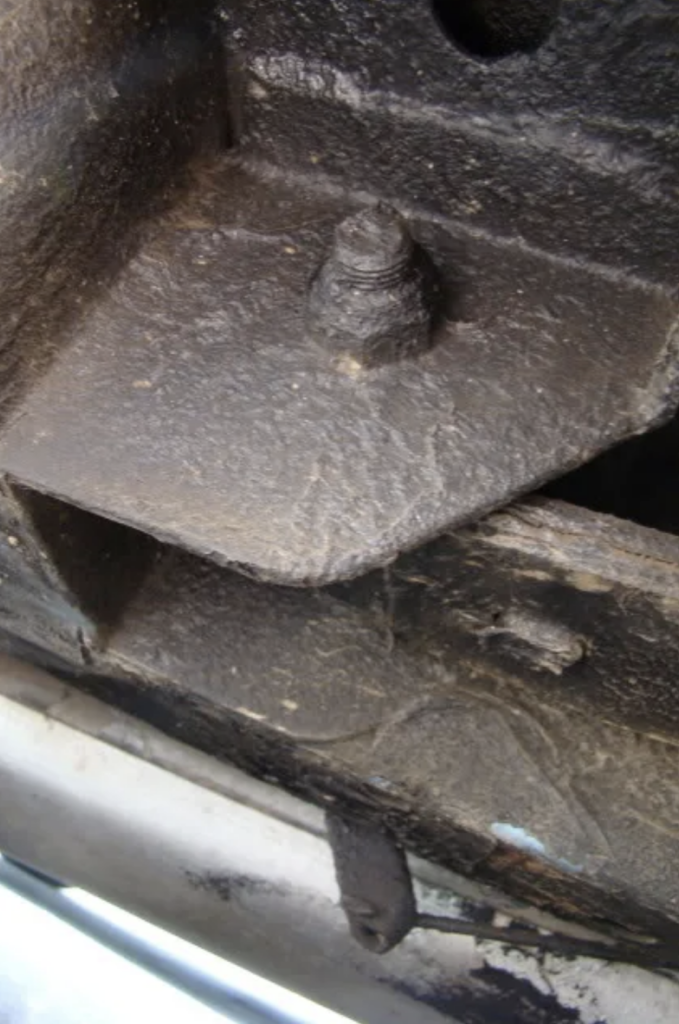
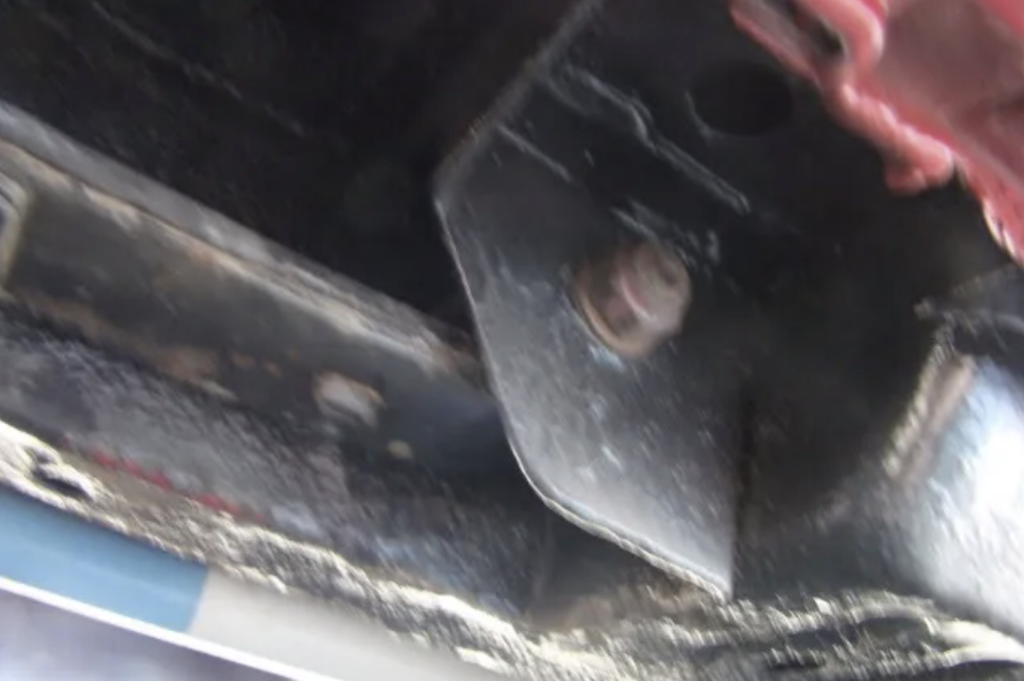
“They all had modified wheelwells, etc. etc.”
Hurst SS/AMX Car #26 Sheriff of Nottingham wheelwells:

Hurst SS/AMX Car #17 McCorkle Brothers wheelwells:

Hurst SS/AMX Car #39 Pete’s Patriot wheelwells:
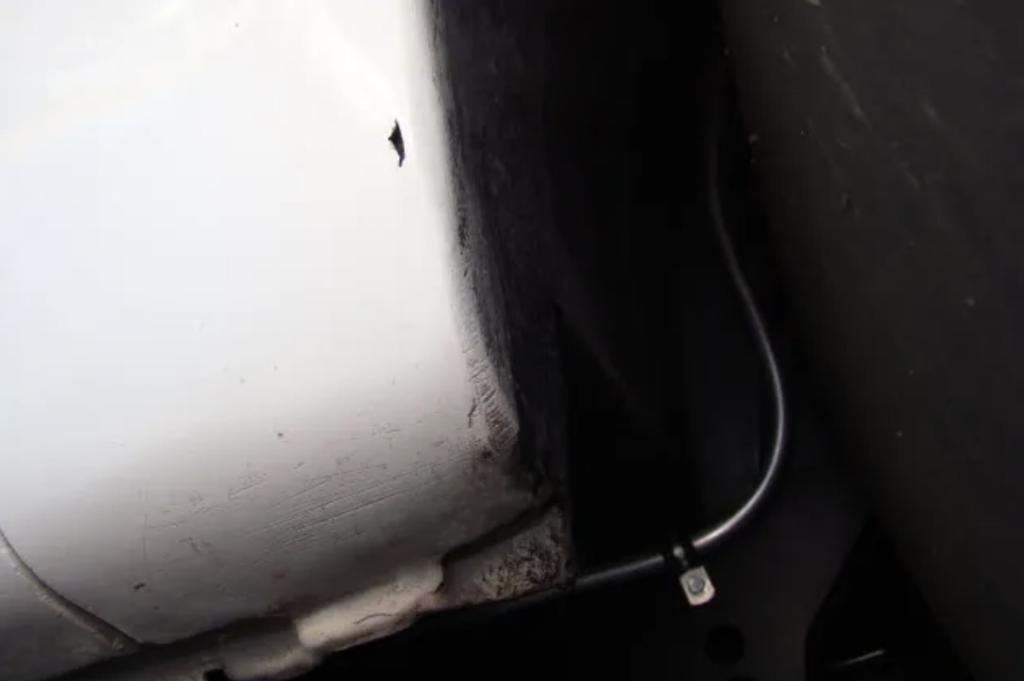
We’ve already mentioned that many owners claim they did not have these modifications, but here are three that did (and if they all did, why were directions how to do it in the bulletin?):
“They all had 3 piece crossmembers.”
Actually, only one of them came that way-the Drag-On Lady. H L Shahan was marketing them for all AMC owners shortly after he began to campaign the Drag-On Lady. Hurst felt it would take too long to modify these crossmembers and get them in the car on time. As it was, the release of the car came after the SpringNationals, the first big NHRA race of the season and AMC could not afford more delays.
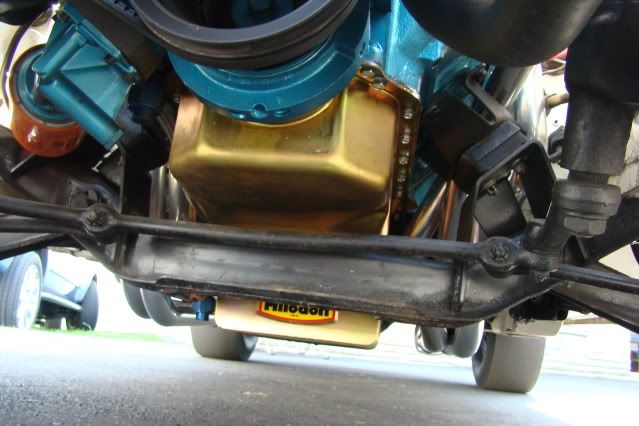
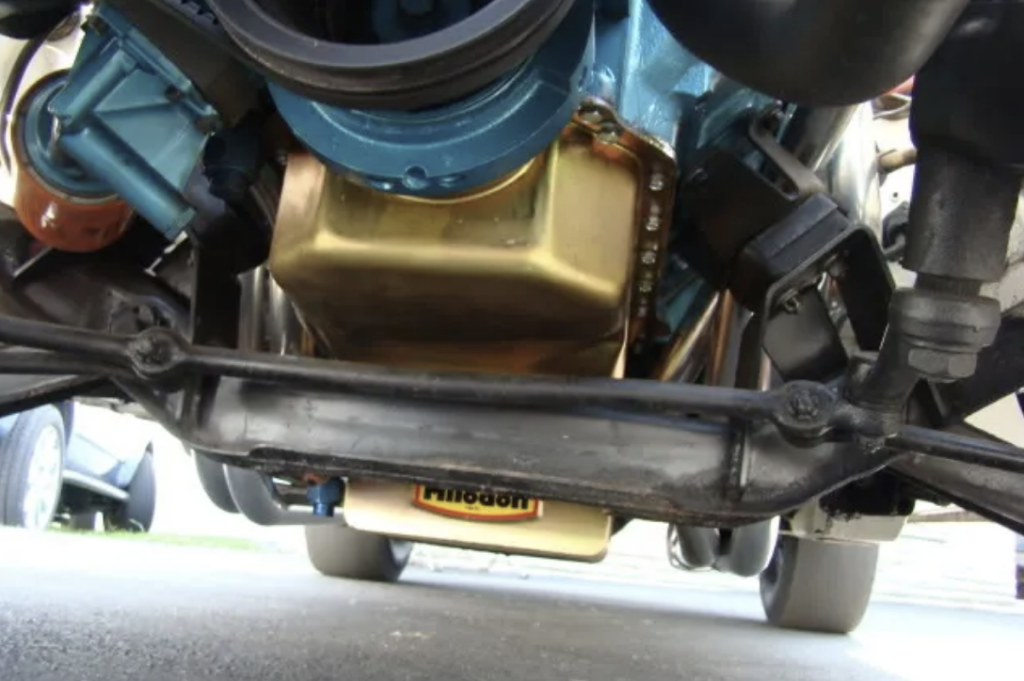
Hurst SS/AMX Car #17 McCorkle Brothers stock crossmember

Hurst SS/AMX Car #26 Sheriff of Nottingham with a Shahan- designed 3 piece crossmember
“They cost $5900.”
We’ve seen the sticker price of $5900, but when the parts were added to the car, it was around $5200 plus labor. And that was on a retail price of the car to begin with. It was more like $5000 complete. And they all didn’t sit around lots waiting to be sold like some other AMC models. These were all special ordered, and all but a few were pre-sold, or would be for dealer use.
And on and on and on. Everything you thought you knew should maybe have you thinking now. If you see a possible Hurst SS/AMX car maybe you shouldn’t just discount it, but document it and post for opinions (and don’t reply if you don’t know 100%-and not because of what you heard).
Case in point-there was a recent eBay ad for a 1970 AMX stating it was one of the last ones made. Had a July door sticker, and there were only 7 AMXs made in July. People jumped all over this car and the buyer-can’t be real. I guess they didn’t check the production numbers on the AMC forum, because it sure was. But what about potential buyers that decided to look a little into the car before the purchase?
Were they turned off because of the posts on the forums, or scared away? I would have at least thought twice about it. This helped nobody, and actually did a disservice to the hobby.
Another example is the ad from a SC/Rambler owner stating it was blue, one of the first, and owned by H L Shahan. He was ridiculed no end. He was right. So were there more than 53 cars made? Maybe, maybe not. But let’s at least look into them before we jump the gun. I believe there were some others modified by Hurst, but very few. One of the things that convince me is the use of factory block-off plates.
Most of the racers who owned these cars and others would not go to the trouble of pulling the heater assembly, the controls, then replace them with factory block-offs, especially the heater motor and control parts. It would be easier and faster to make your own firewall cover to hide the heater motor hole, that is if you even pulled it. I’m not saying all, especially dealer owned cars, but I just don’t believe there are so many out there that bought and installed these parts (and I could easily be wrong, this is just my opinion). The Hurst Hemi Dart program started off with 50 cars, and then made a second run. Why not AMC (and the Dart had a specific VIN, so is easy to tell).
And Hurst wasn’t done with AMC. Remember the Javelin on the rack in the shot showing all the white AMXs being converted? What was that for?
Here it is, with an article right from a Hurst Employees newsletter (and those are the AMXs in the background):

Hurst was making a Javelin GT at this time. They actually also made a second. More a little later, because what does this mean?
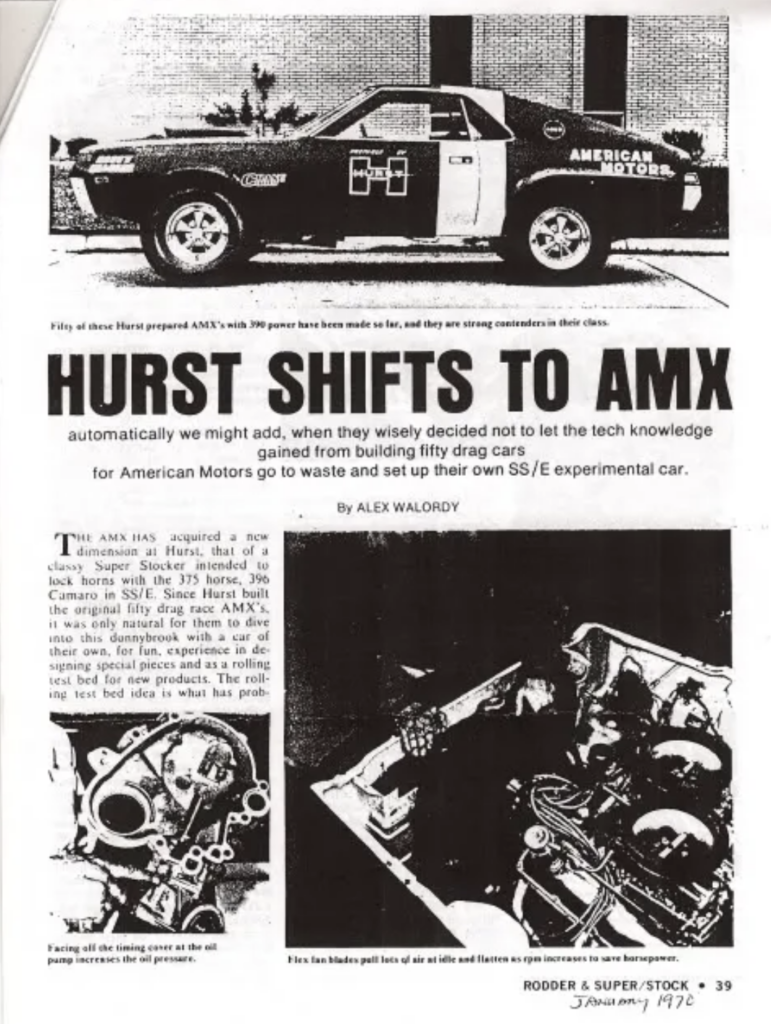
Now that they made the Hurst SS/AMXs, Hurst was going to do one for themselves?
More later…..
This is from the July 70 issue of Rodder and Super Stock. (Copy of original. I will post a better scan when I dig out the magazine).

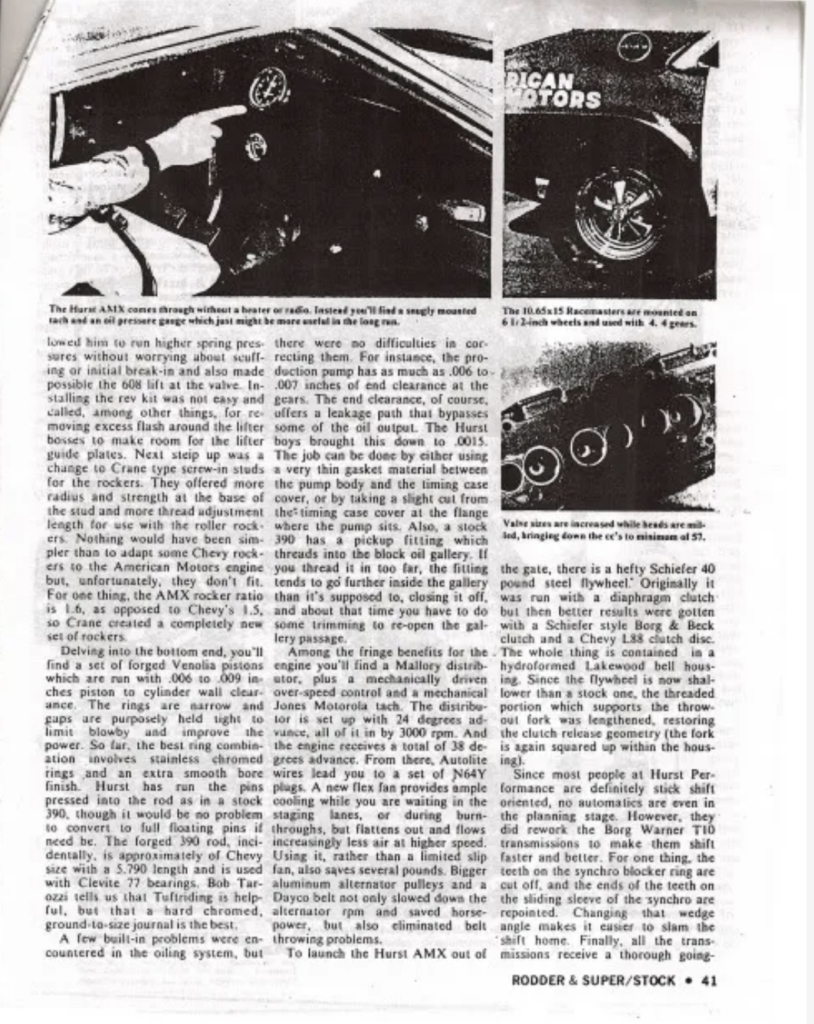


This is interesting to read what else Hurst did to the AMX they kept to prepare as one of their own. Some common sense things to us, but would have added extra cost to the car. Driveshaft loop, better U-joints, reworked synchros, etc. This is some of the stuff the dealers thought were going to be done when they first bought the car. This
is the “legendary” 53rd car, which is also the 1st car: this is the prototype car, and Hurst kept it as a testbed for their own. It was driven by Howard Maseles, a supervisor at Hurst and one of the “Shifty Doctors”. Here is a short story about the car from the Hurst Employees Newsletter “The Banner”:
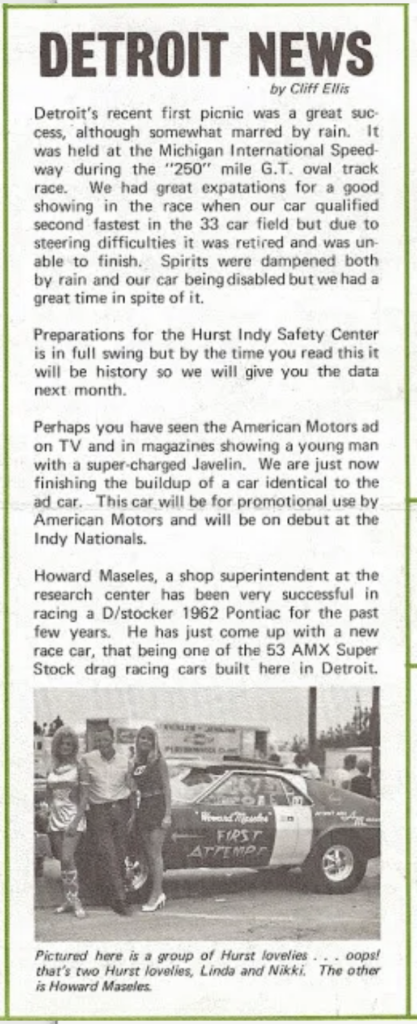
The car was known as “First Attempt” then later known as the “AMX-Press”. The current owner bought it from Hurst and still races it.
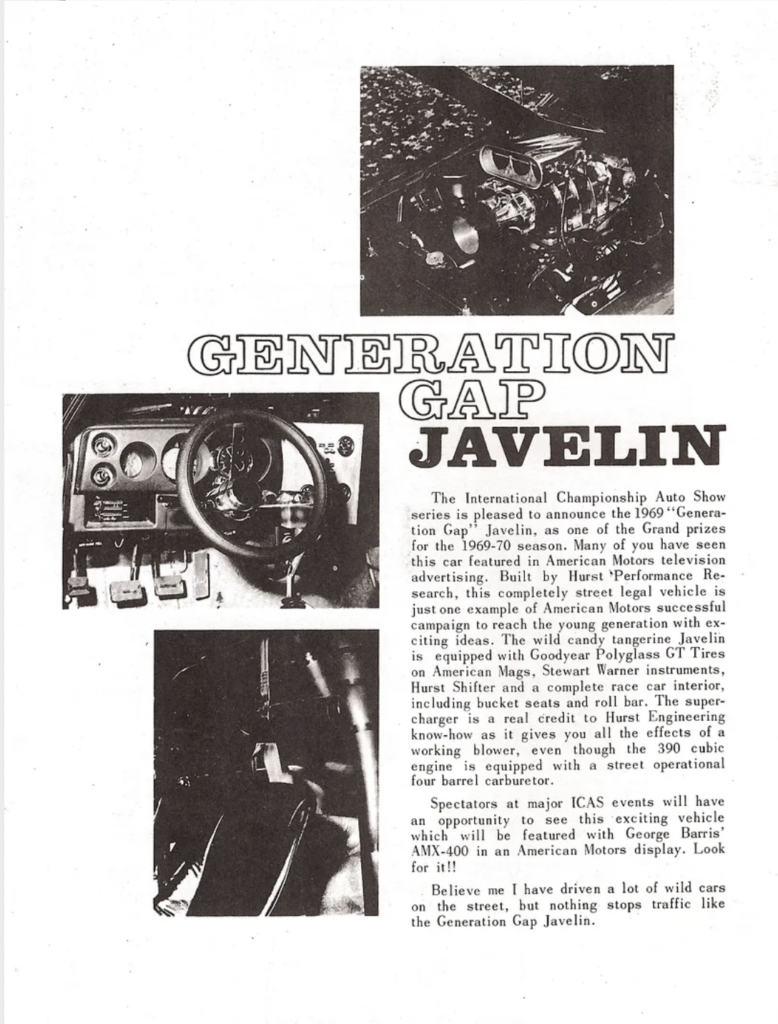
As mentioned, Hurst was not only sponsoring an AMX (I wonder if they had to pay AMC for the car) they also fabricated a 69 Javelin to resemble the car in the magazine ad with the blower, and they raced two Javelins. Here is a Redliner article on one of the race cars:
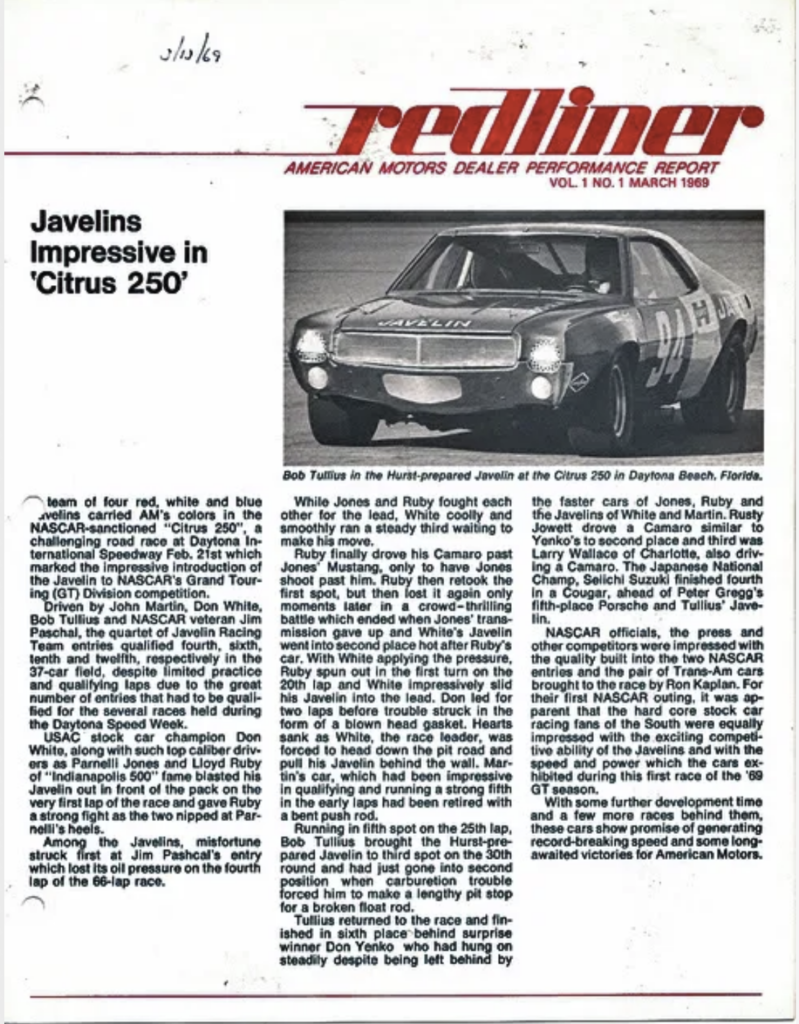
If you were to look at any of the standings after the races, you would see where Hurst was mentioned as the sponsor of this car.
And the press release packet:


And here is the magazine ad with the Javelin with the blower. This particular car used a dummy blower set-up but the ad was so successful AMC contracted Hurst to build a working one. Hurst had it completed in time for the Indy Nationals where the car never ran down the track but drove up and down the return lane all day. The car was given out as a grand prize at the Oakland Roadster Show.

Ready for the Oakland show:


This picture is in front of the Hurst facility

And inside the show:
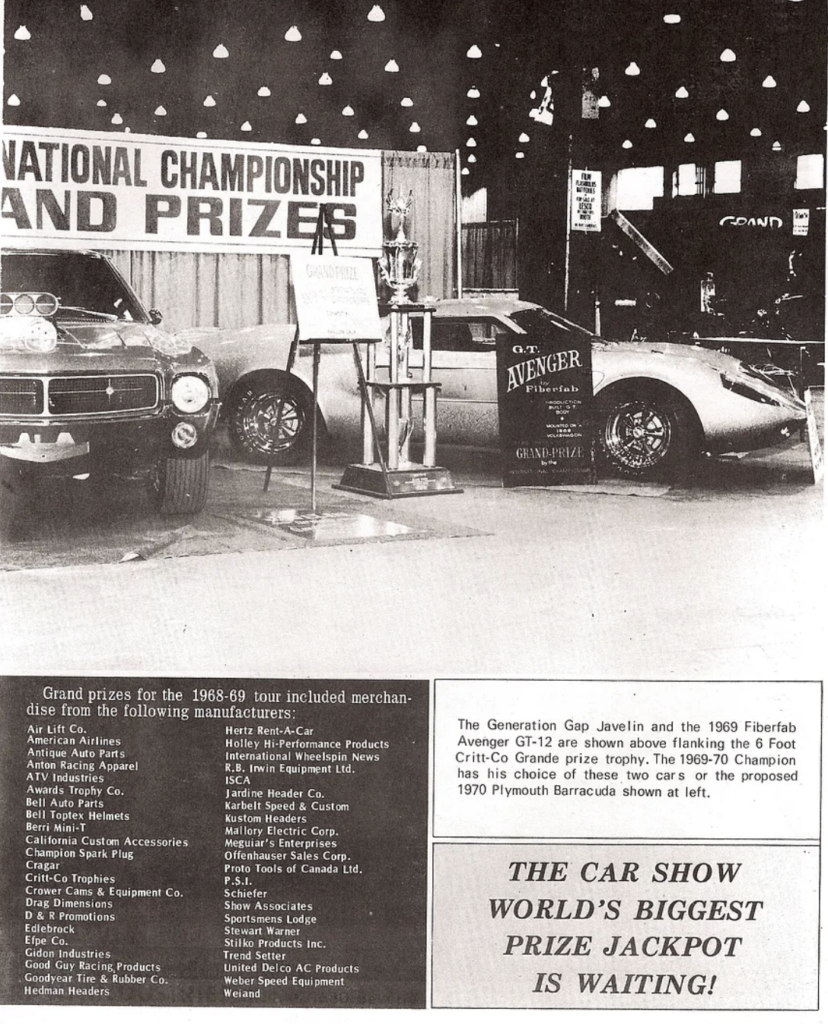
And the lucky winner!
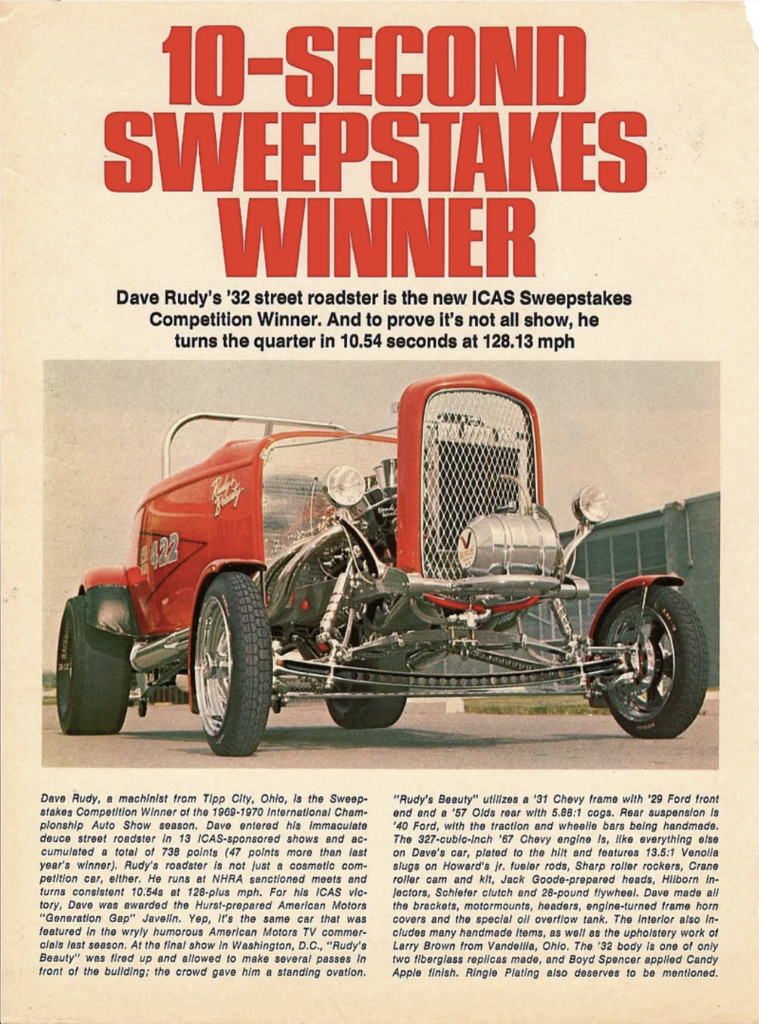

Last I knew this car had changed hands. Here is an ad for the car:

And here it is on a parade lap in 1969 with the new SCRambler and some Hurst Olds:

And here is an interesting picture. Remember that ugly scoop on the prototype? There must have been some research and design that went into it, but the NHRA said no. Could this be a similar design? I also have not seen too many pics showing this car with this scoop, either.

I have more documents not posted here (though nothing really out
of the ordinary) and I will ad them to this post when I uncover them.
I also have some more pictures of these cars, both documented and
questionable. Just remember to be careful when you have a document
to not take everything at face value. The above document with the
starting VIN for instance clearly lists the wrong carbs. The info
document to dealers clearly suggests rocker panel moldings were to
be removed, yet they were not. Here is a recent article on a very
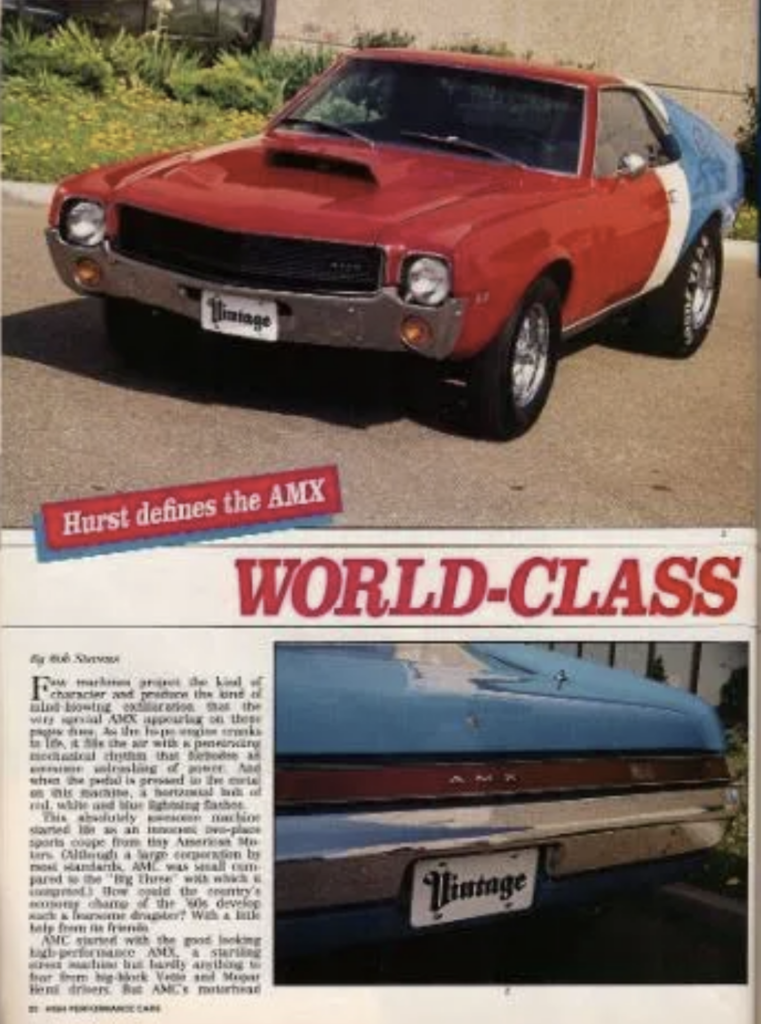
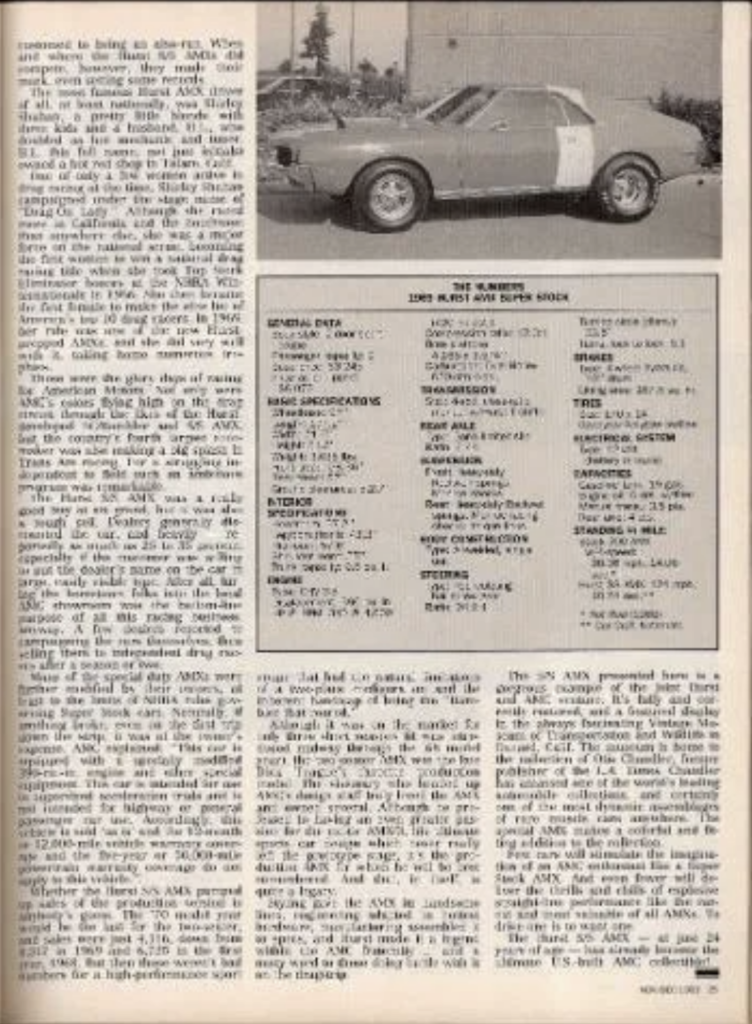
nice, very real Hurst SS/AMX #19:
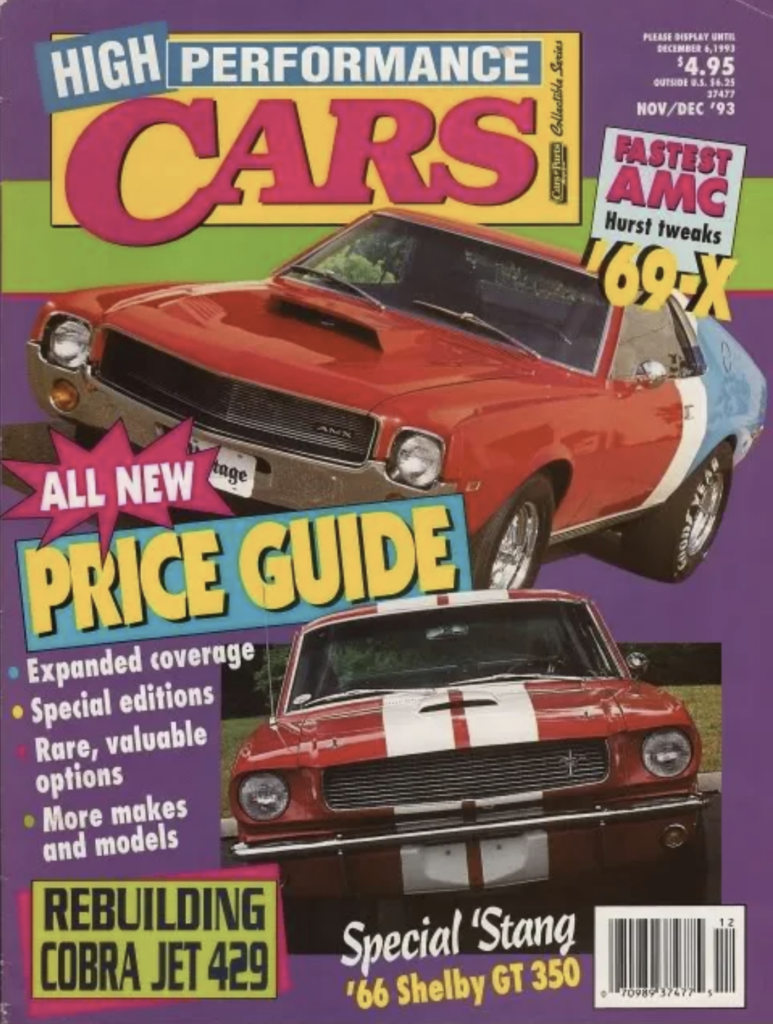
High Performance Cars Nov/Dec 1993